David Harewood on Pierre, the pain beneath the rage and the business of keeping going.
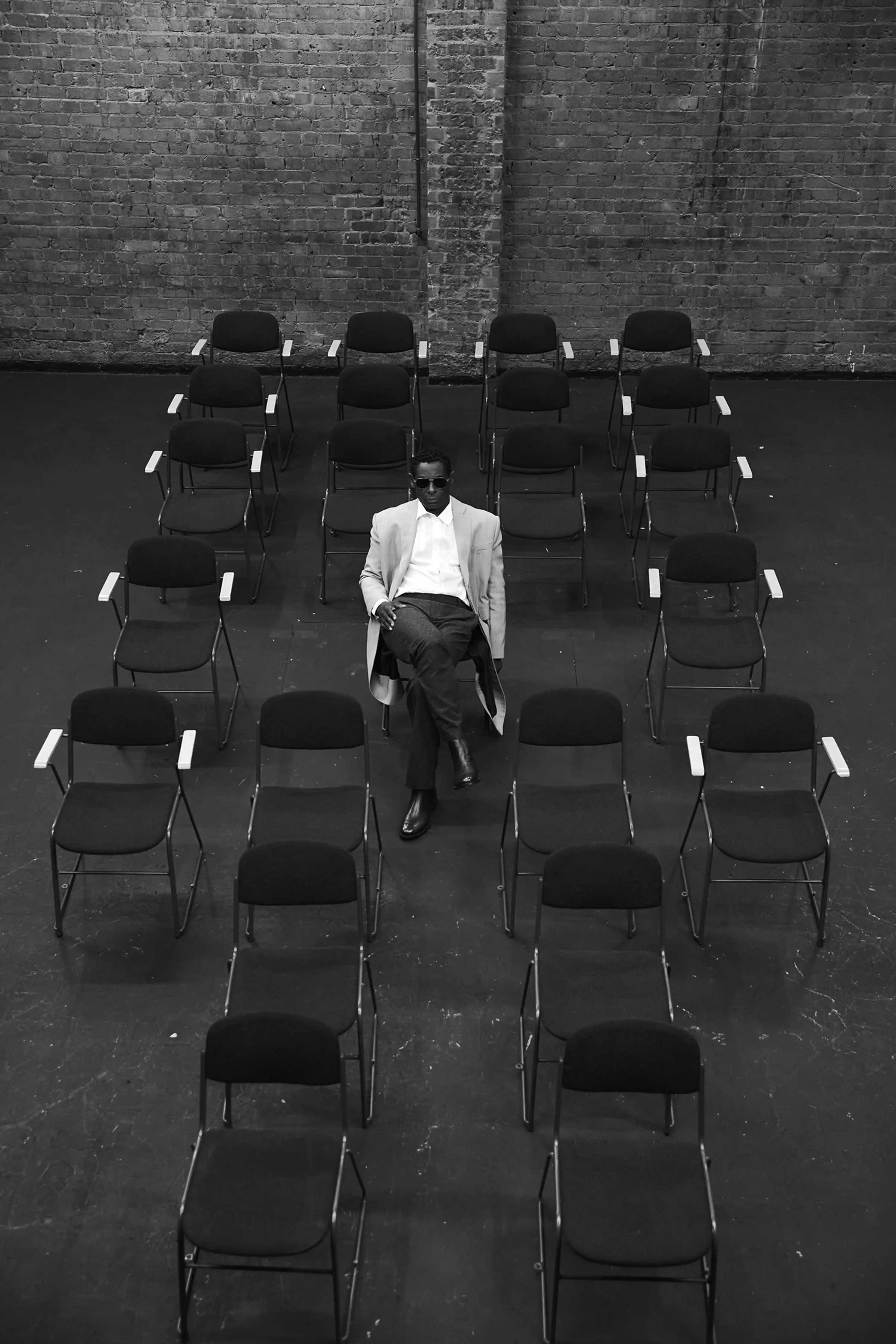
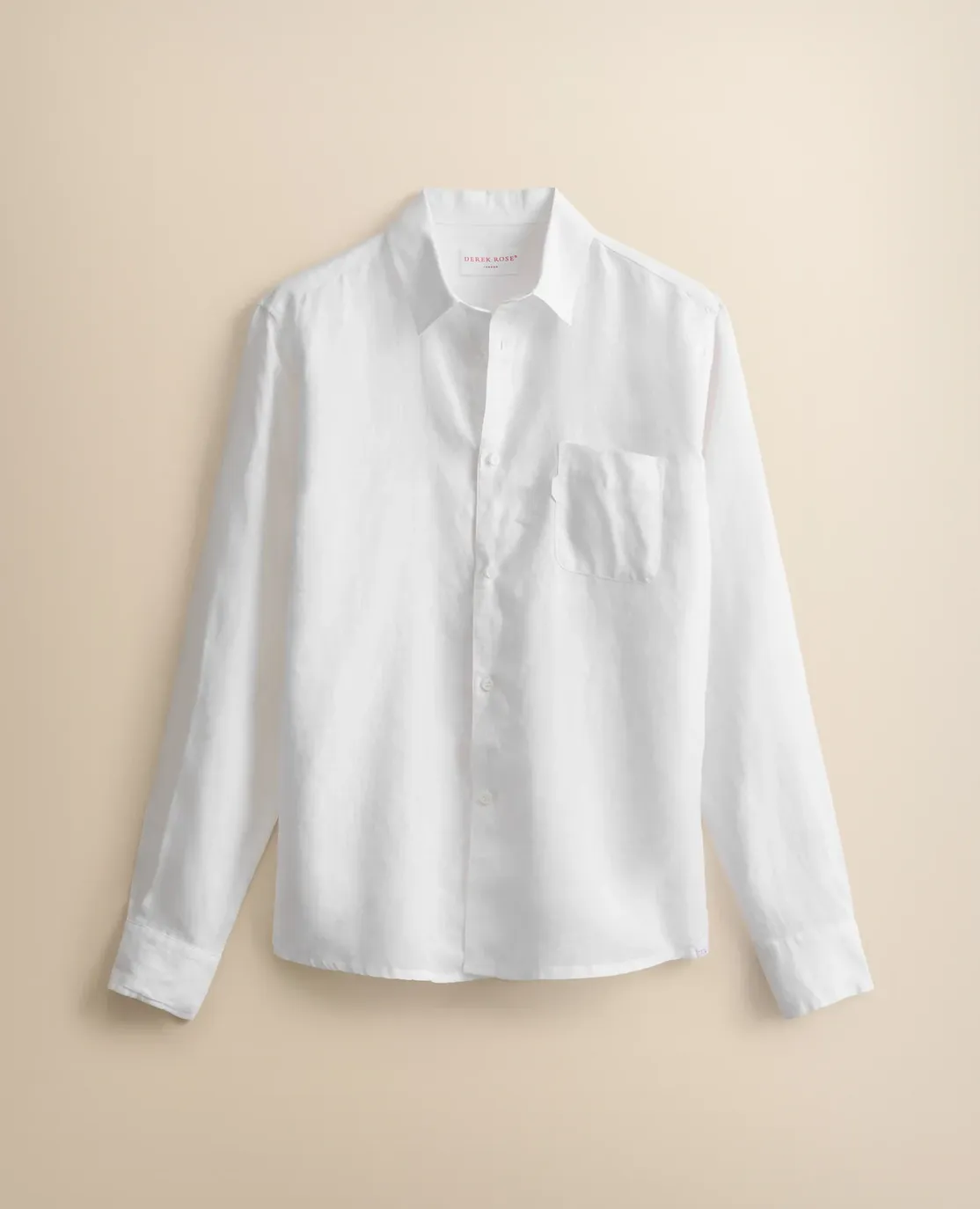
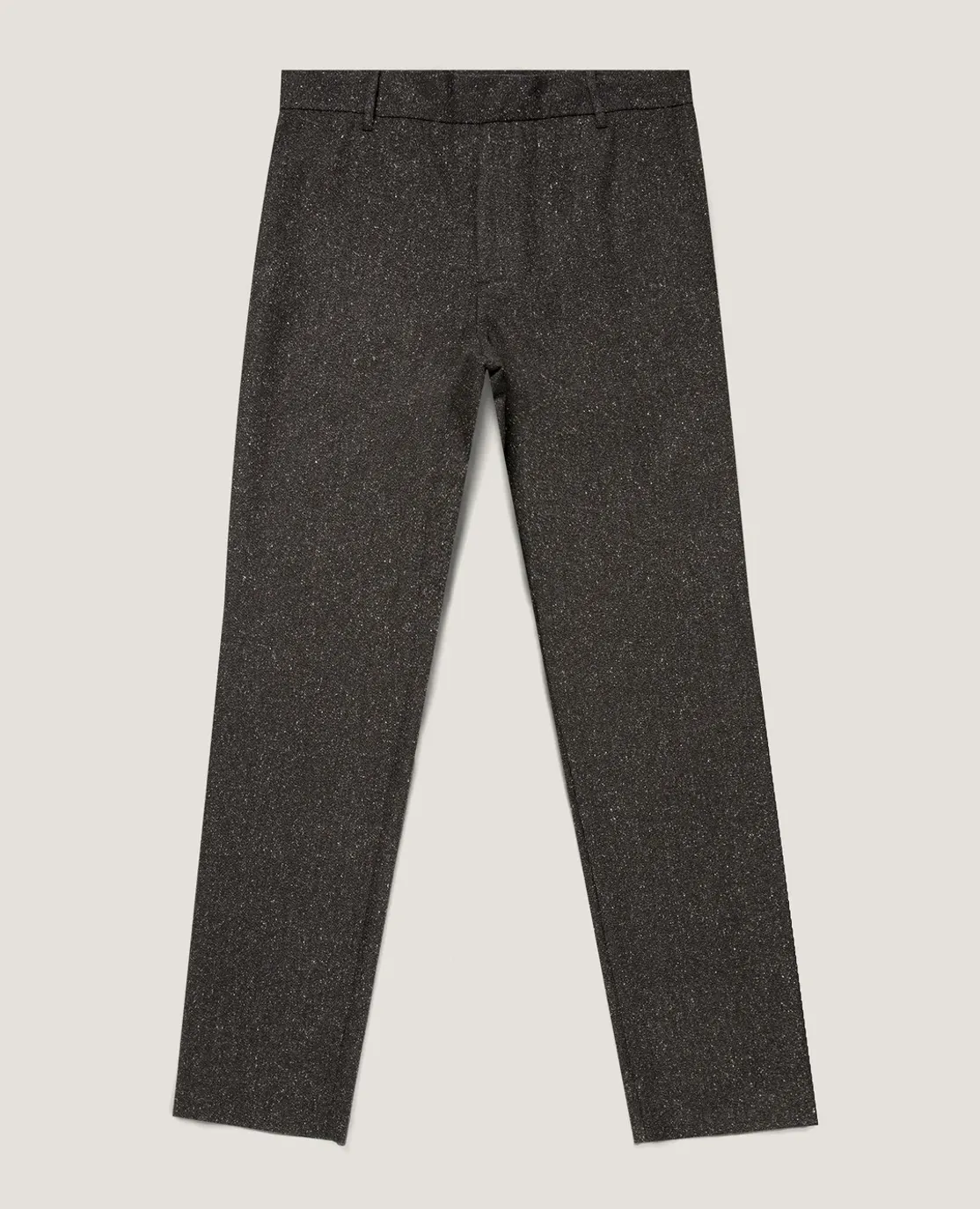
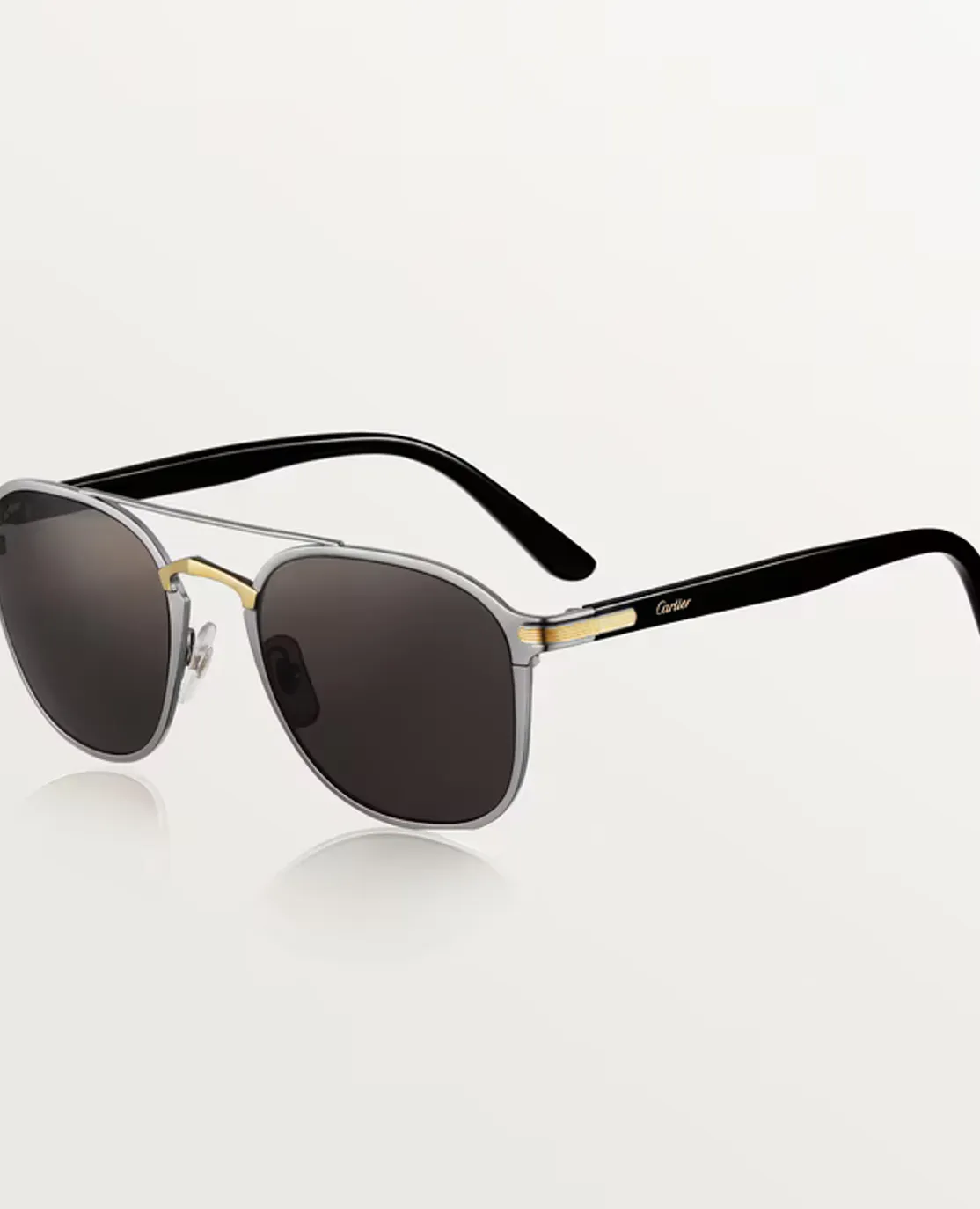
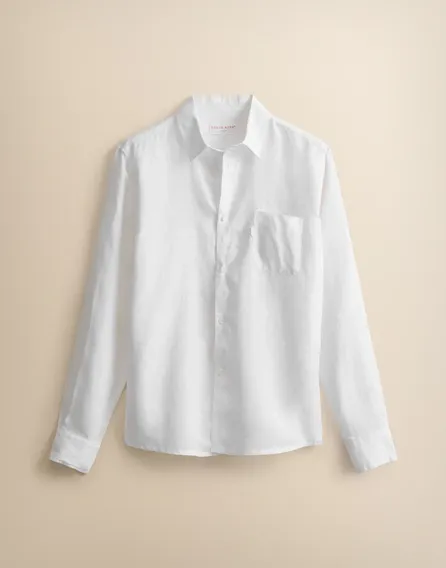
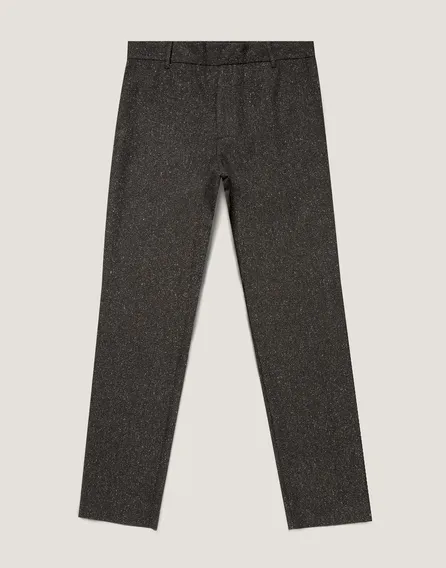
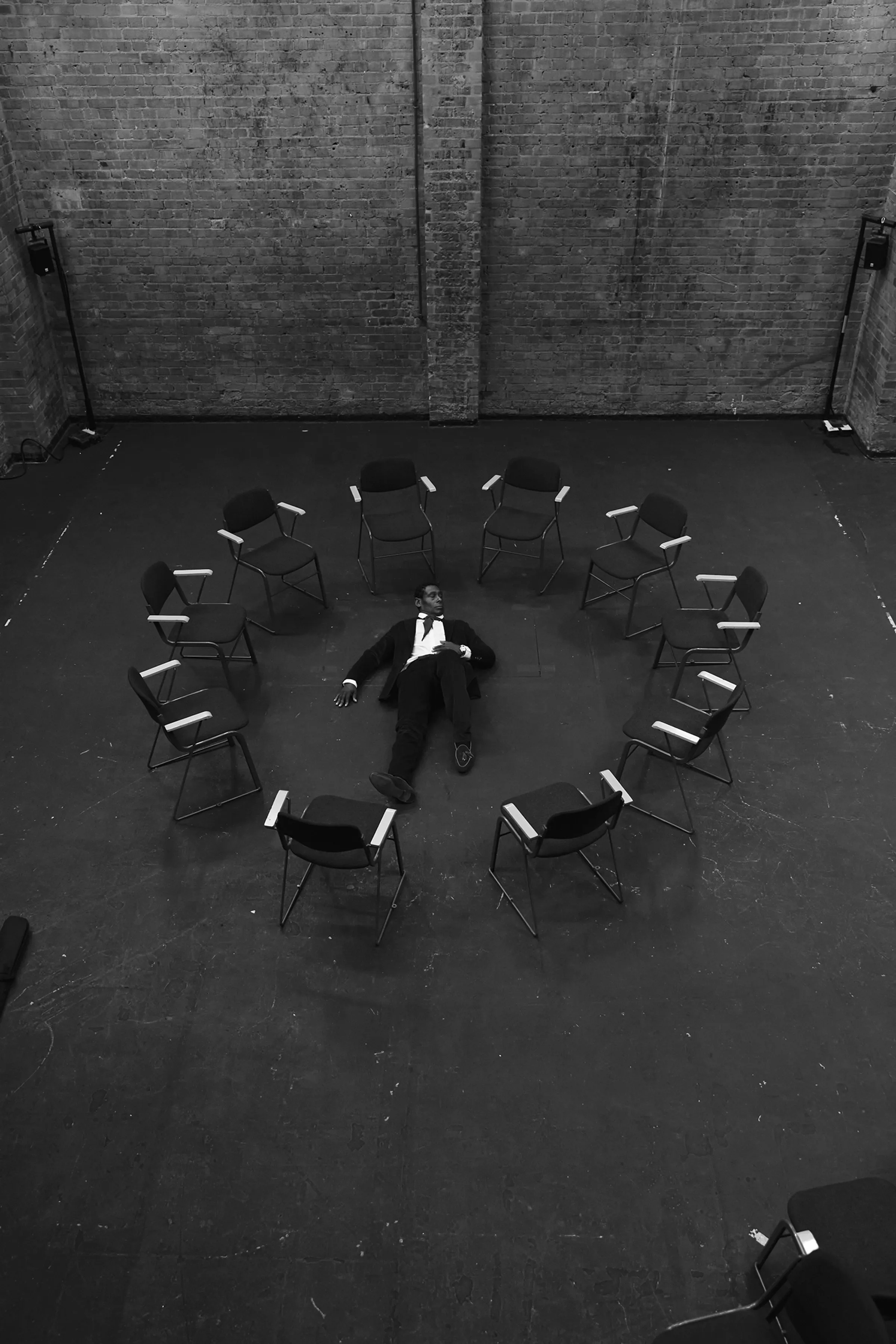
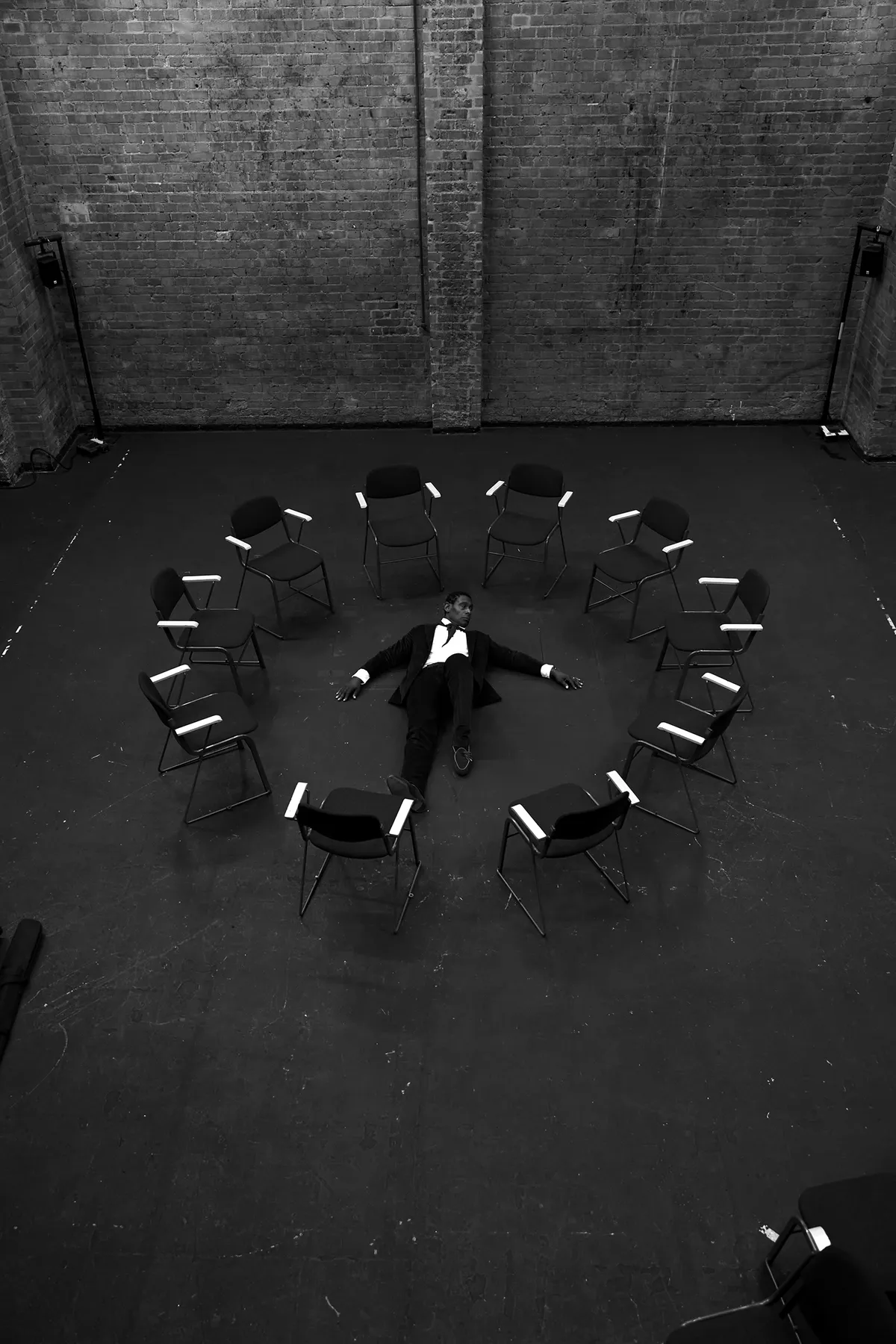
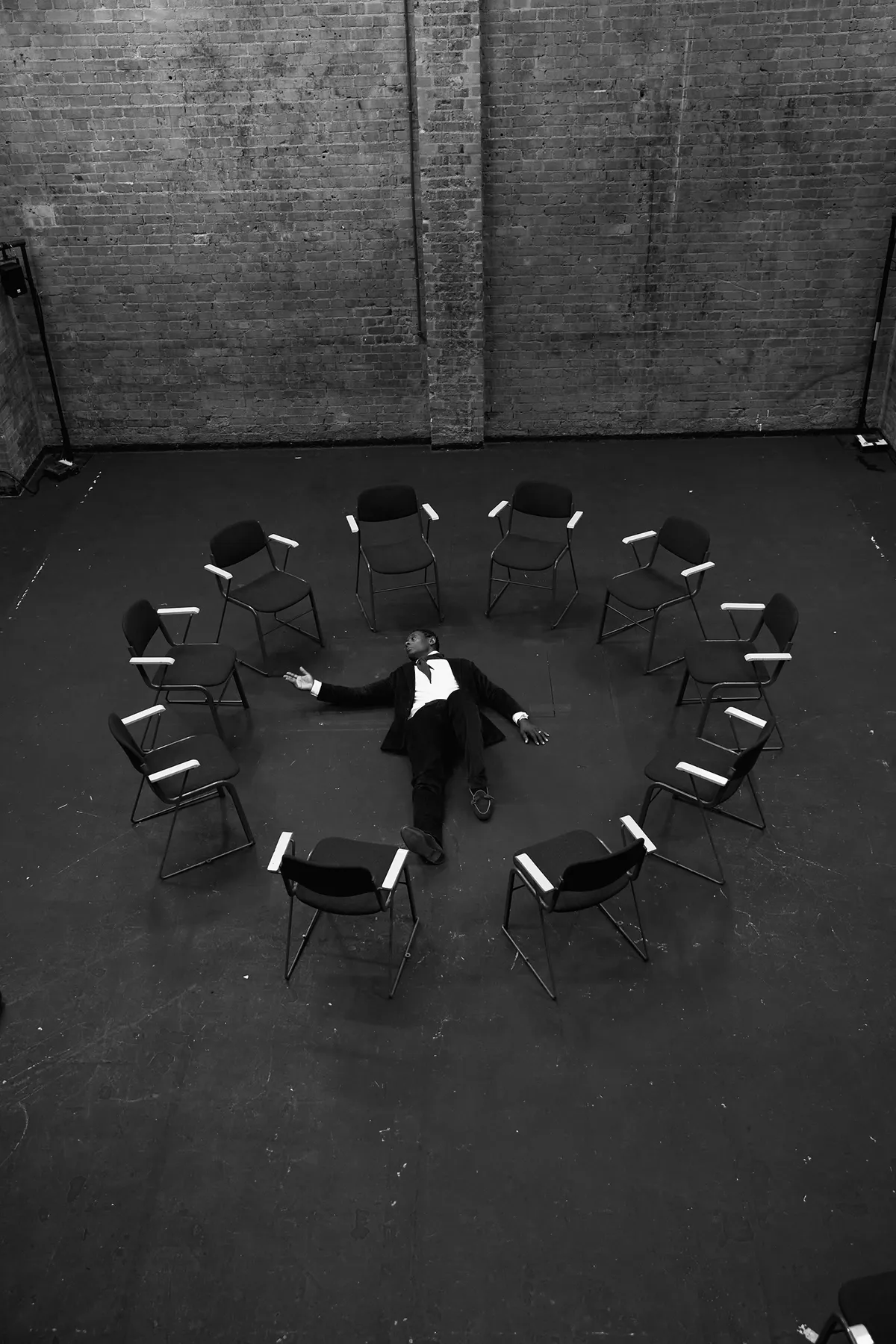
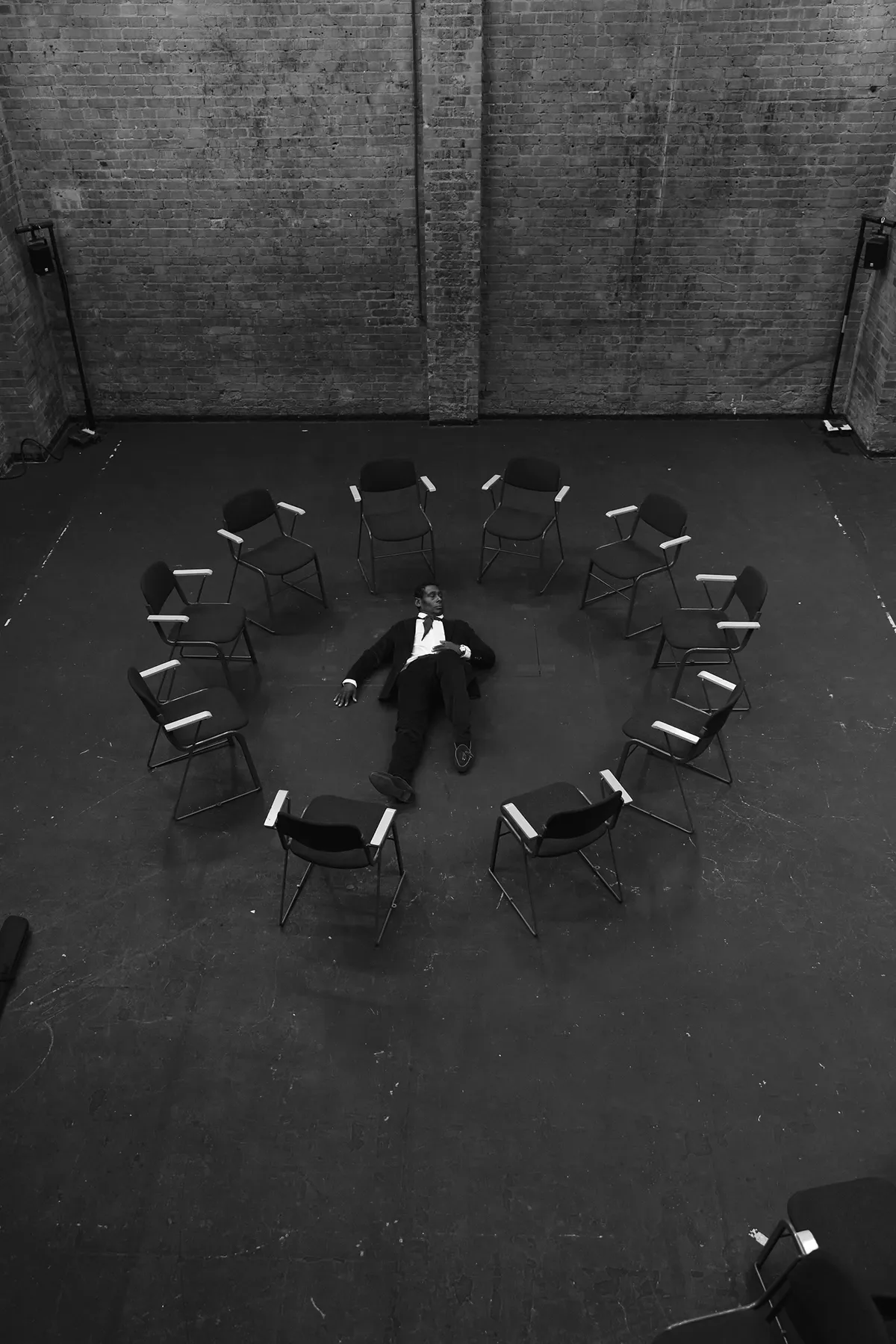
DEREK ROSE shirt, SUNSPEL trousers, DAVID KOMA jacket, CHURCH’S shoes, CARTIER watch and sunglasses.



THE FULL GAMUT
Photography by JOHANNA STROUD. Creative Direction by SOLANGE SMITH. Styling by AGOSTINHO SOUSA JUNIOR. Words by GIZELLE REGAN.
Grooming by MIN SANDHU. Location courtesy of RADA.

In 1988, David Harewood was “nobody’s fool”.
That was the verdict of critic Terry Grimley, watching him play Romeo in his first professional role. He heard “impressive assurance” in the young actor’s delivery.
Ask Harewood about those early years and he remembers the clothes, the clubs, the cheap rent. Coming from Birmingham, where people would comment on what he was wearing, London offered a freedom he hadn’t known.
“You could be anonymous. You could be anybody.”
He was studying at the Royal Academy of Dramatic Art (RADA), meeting the people who would become his “new family” and renting his first place.
“Fast-paced, unknown, sexy London,” he calls it. “The clubbing was fantastic.”
By 1997, he was Othello at the National Theatre, the first Black actor to play the role there. In The Independent, David Benedict wrote that he “exudes danger”.
Nearly four decades into a career spanning stage, film and television, he is about to lead a British television drama for the first time.
“It’s taken me forty years,” he tells me.
When he talks to students at RADA, where he is now President, he prepares them for the long climb. “The acting bit is the easy bit. It’s the non-acting that’s tough.”
There was a lot I wanted to ask him.
We had half an hour.
David is in London, working on one project, preparing for another and doing press for Pierre. I’m in Australia and haven’t seen the series yet, so I ask him to make the introductions.
“He’s a glamorous man in an unglamorous job.”
Pierre Jeffreys is a duty solicitor whose commitment to his clients causes problems for the business. His partner is trying to keep the lights on. Pierre keeps giving away time.
Harewood wanted the part immediately. Charm, humour, romance, comedy, grit and steel. He lists what he gets to play.
“The full gamut,” I say.
“The full gamut. It’s always nice not just to be the cop or the bad guy.”
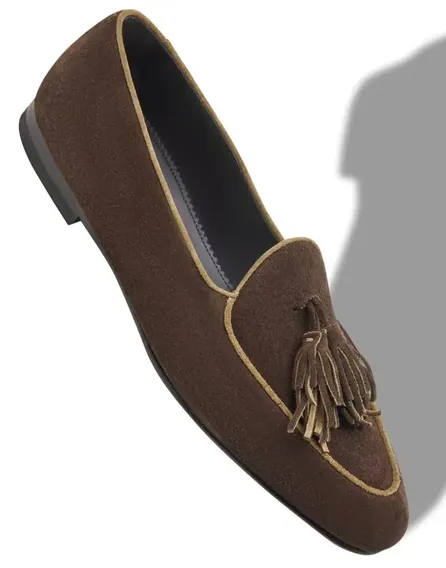
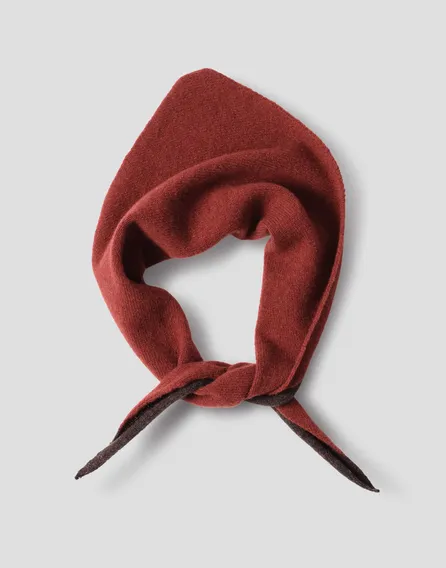

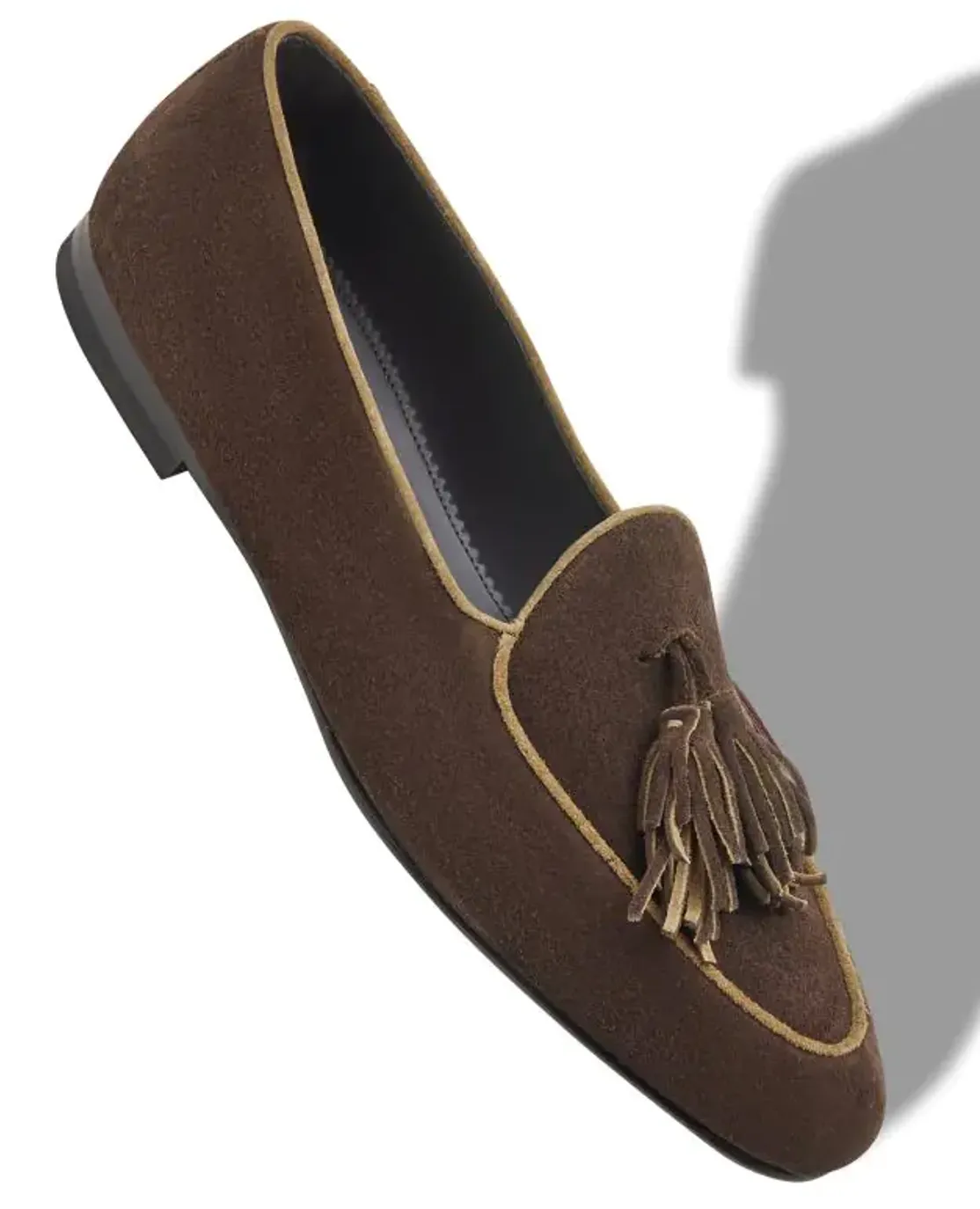
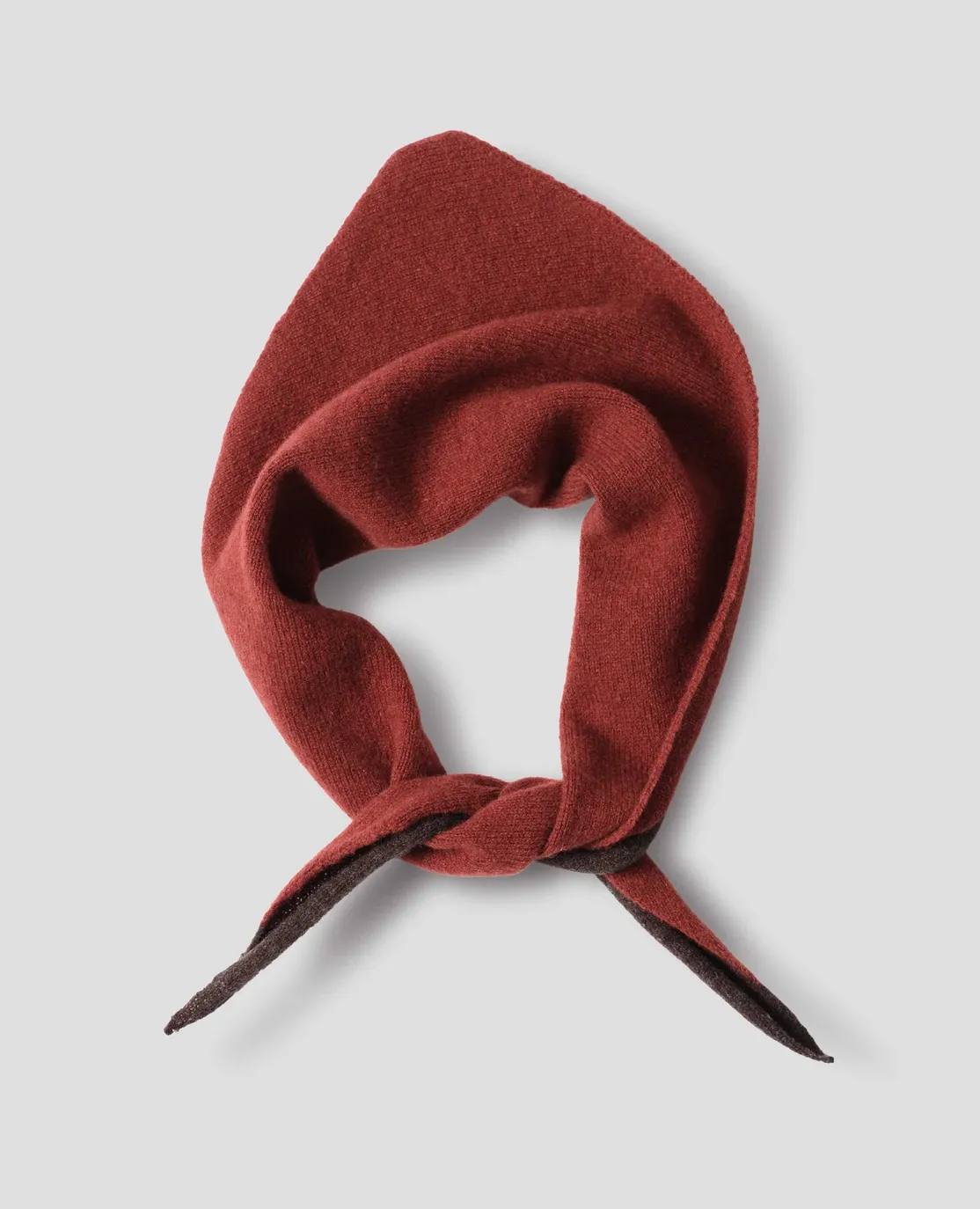
DEREK ROSE shirt, RICHARD JAMES blazer and trousers, MANOLO BLAHNIK shoes, MARGARET HOWELL scarf, CARTIER watch.
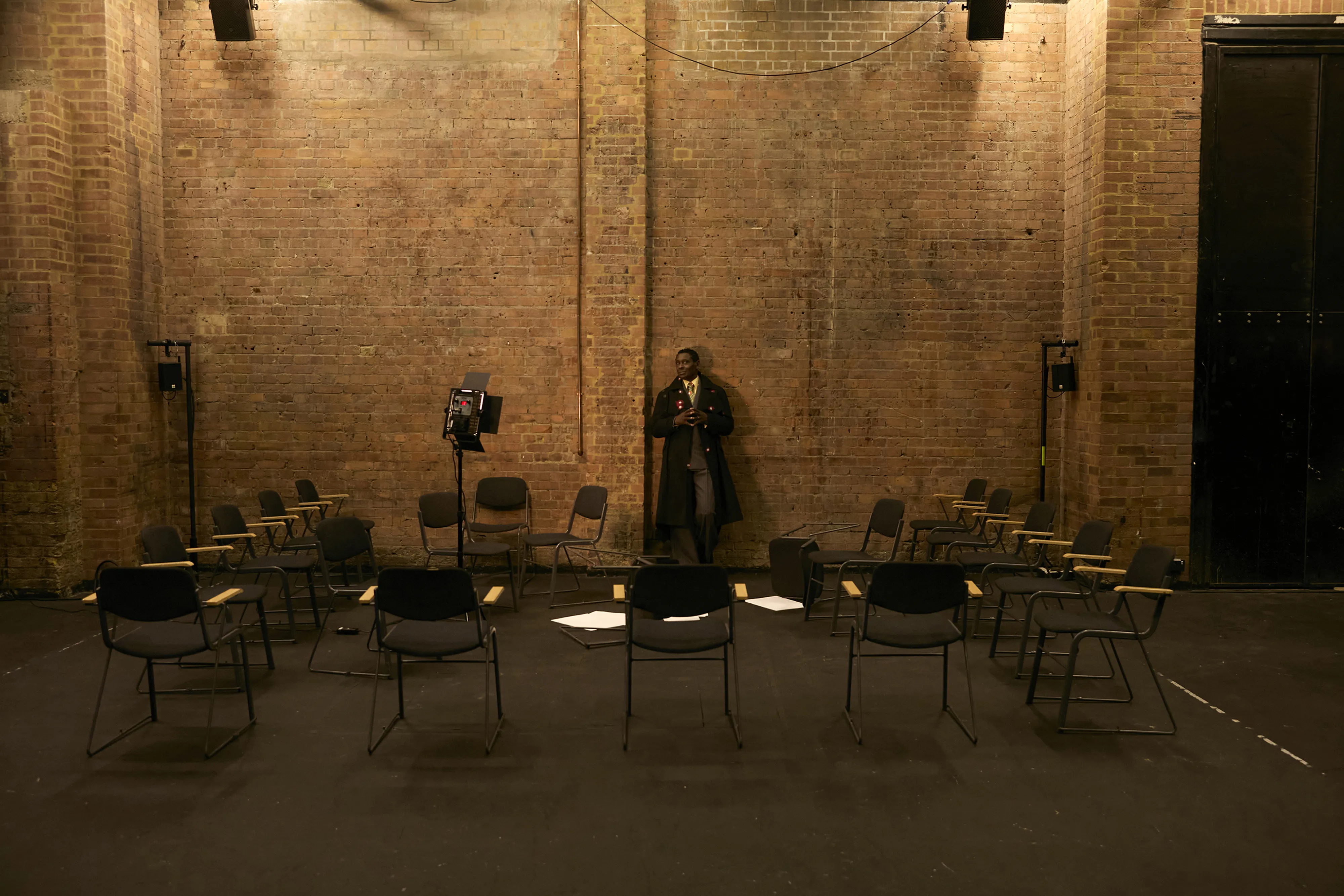
KANE TSZ LUNG coat, blazer and trousers, MARGARET HOWELL belt, DUNE shoes.
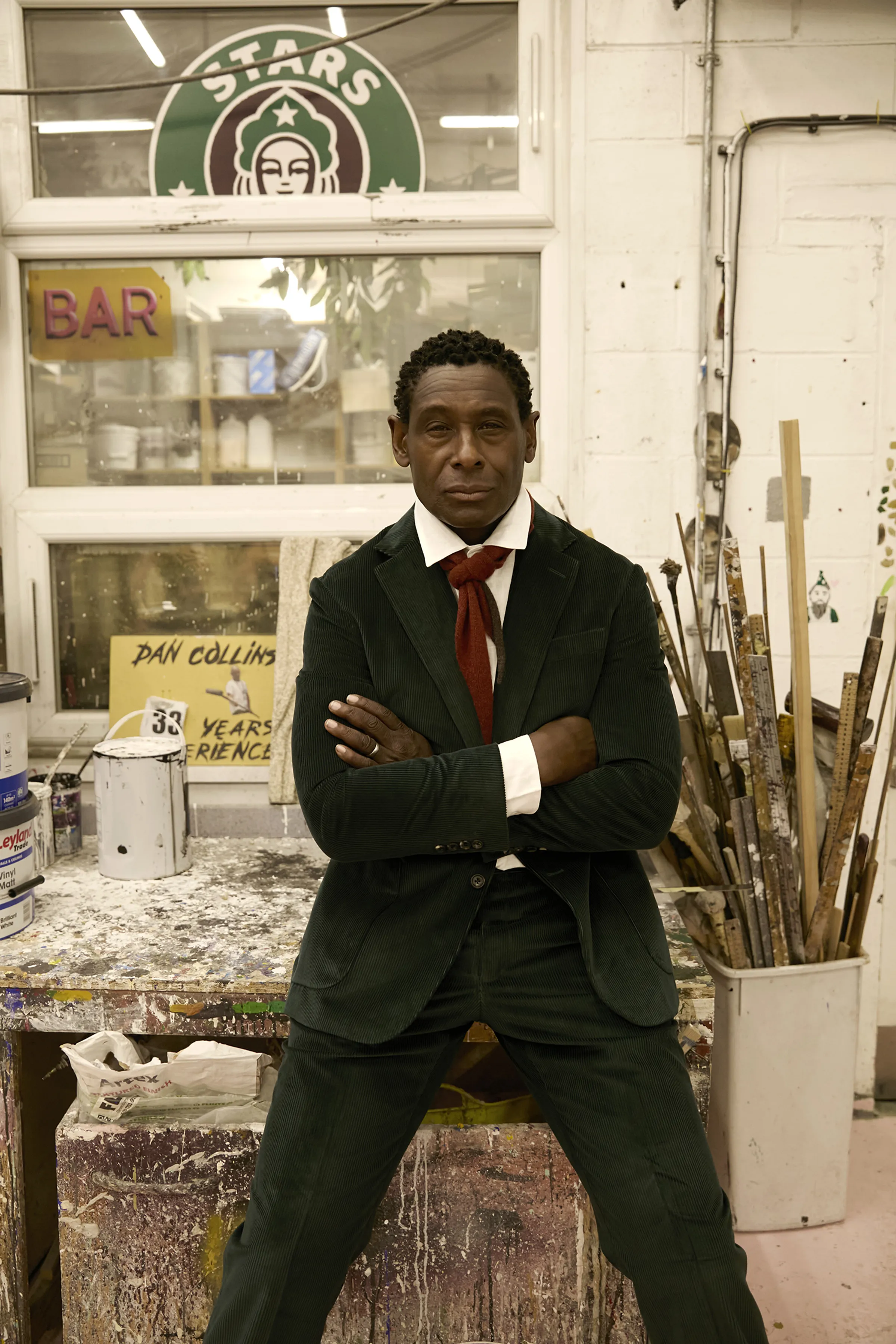
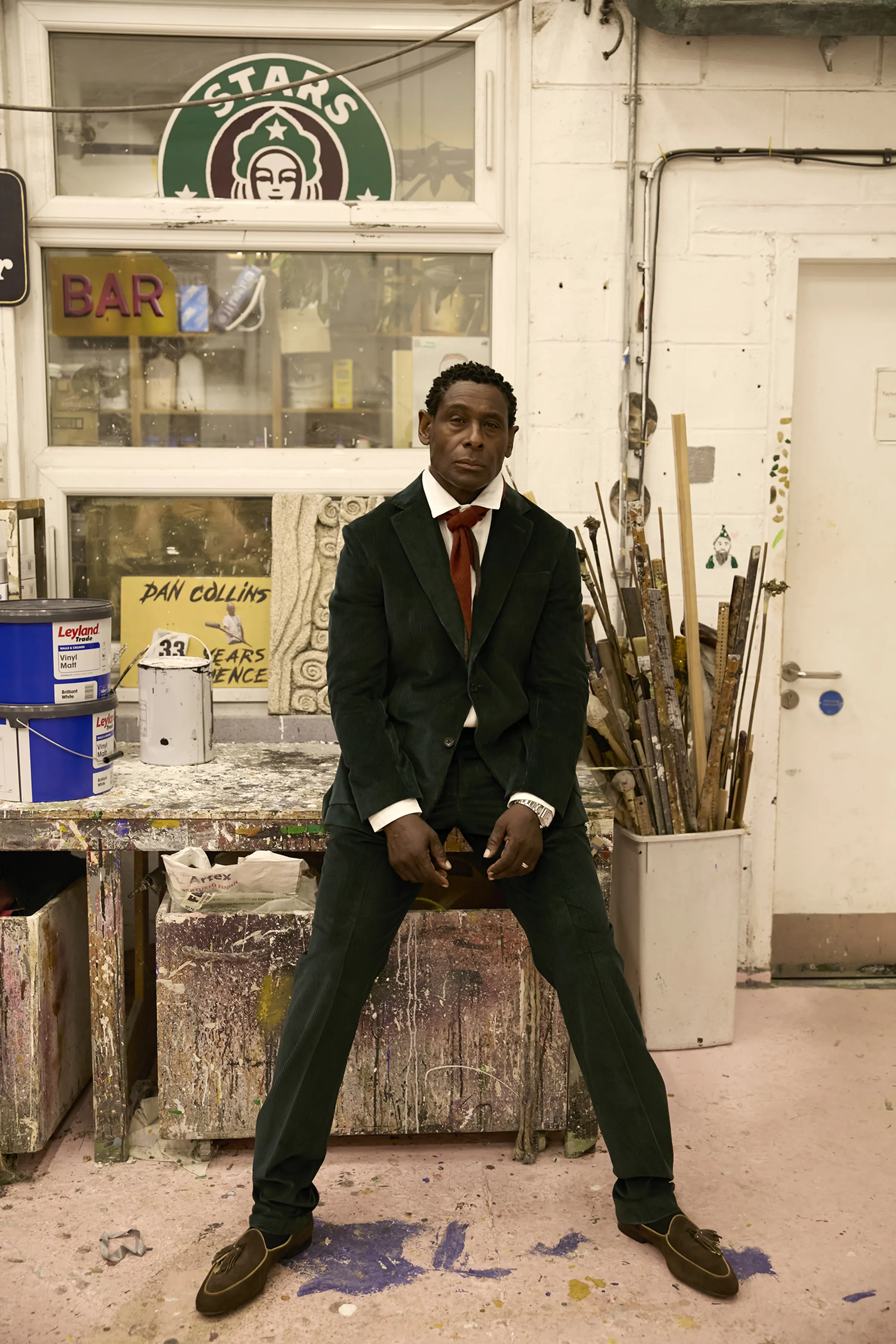
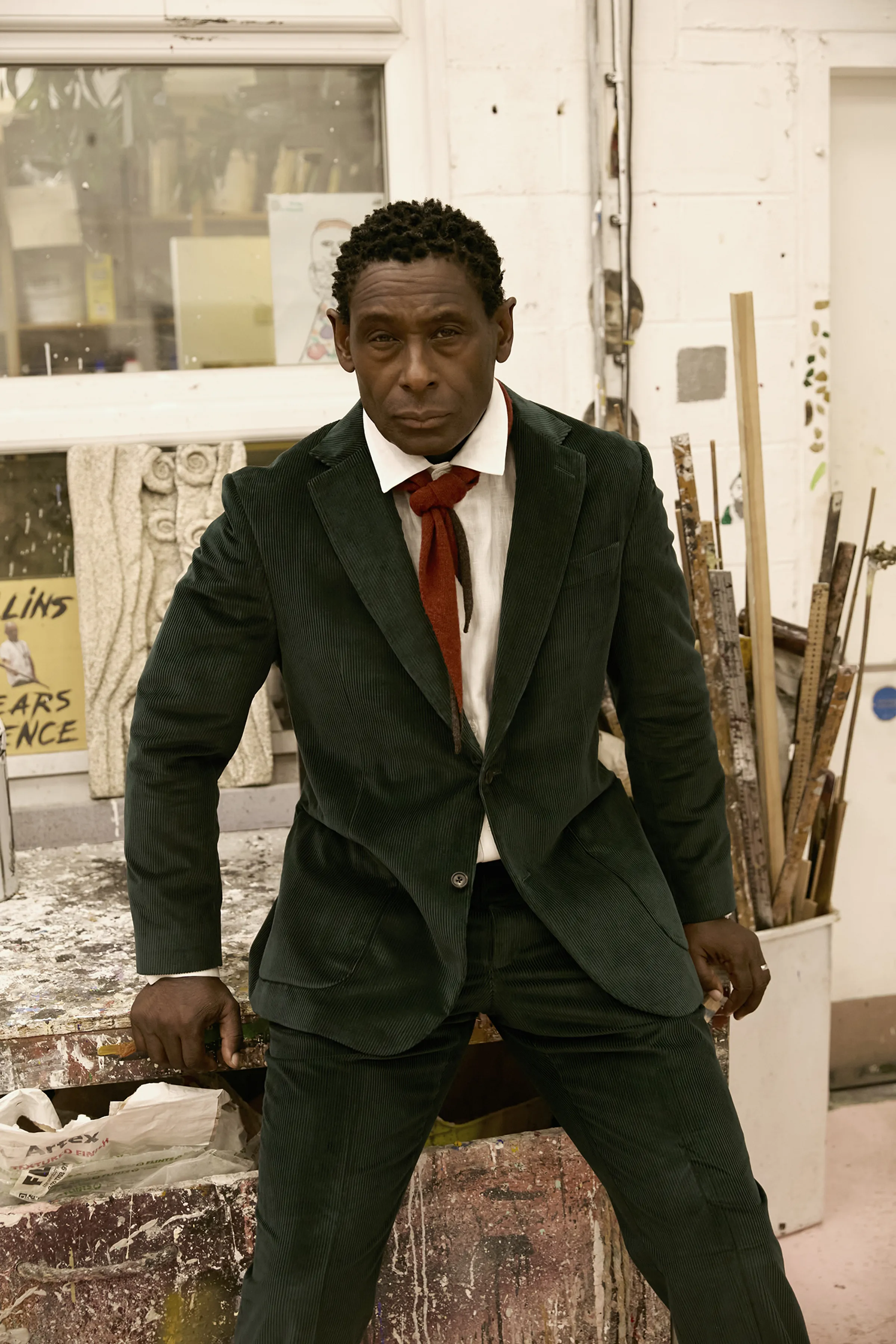
GIZELLE REGAN: I’m curious about how you work. When you take on someone like Pierre, where do you begin?
DAVID HAREWOOD: It all starts with the script. It’s such a well-written piece. I always try to start each day with a bit of music as I’m getting changed.
Here is a man fighting for justice. That’s essentially his driving ambition, to serve his clients.
I remember talking to a duty solicitor during my research. Whether it was two, three or four in the morning and she was called out of bed, she knew whoever she was going to meet was probably having the worst day of their life.
They’d been arrested by the police, and she felt she was going there to offer them protection.
I could tell it was from the heart.
That helped me form Pierre. Somebody who has gone into the profession to help people.
There’s a conflict with my business partner in the show. She’s interested in keeping the lights on, paying the bills, getting money into the coffers.
Pierre’s a little bit of a maverick. He wants to make sure his clients receive the best care, almost to a fault, because he spends way too much time doing things he’s not getting paid for.
I think that’s really honourable.
I’m appearing in another show, War, which is full of floor-to-ceiling glass windows, expensive tables, expensive ornaments and high-powered lawyers.
Pierre is right at the opposite end of the scale. We’ve got mice in our office looking like they own the place. Bills not being paid. Electricity being cut off.
People hanging on by their fingernails, but trying to provide their clients with a service.
GR: Roy Williams, who co-wrote Pierre, has some pretty impressive work behind him. Have you worked together before?
DH: Many years ago, on a show called Babyfather, which was one of the first quality BBC dramas with an all-Black cast. It was groundbreaking at the time.
I’d seen some of his plays too, so I knew he was a great playwright. It was wonderful that he and John Donnelly had worked together on Pierre, because it’s written like a play.
Great scenes between great actors. I think that adds to the richness of the text.
GR: Back to your acting chops. Almost thirty years since you first played Othello. How did you step back into the role?
DH: I’m thirty years older, seeing it from a different perspective. I’m a father now.
Honestly, I found it way more painful. When I was younger, I don’t think I really understood love and relationships, and the things that tear away at them.
Being older, you realise that when you’re in love with somebody, it’s incredibly painful to suddenly believe they’re having a relationship with somebody else.
When I was younger, Othello’s rage came more easily. Now that I’m older, I know that that rage is pain. A lot of men are in pain, and they cover that pain with violence and aggression.
GR: That must be quite taxing, going there every night.
DH: Eight shows a week. But the cast was so wonderful, particularly my Desdemona, Caitlin FitzGerald, and Emilia, Vinette Robinson. Two fantastic actors.
For me, the joy of this job isn’t necessarily the trappings of success and the money. It’s working with great people.
They made it worthwhile. It’s a difficult play, but going through it with great actors is almost a joy.
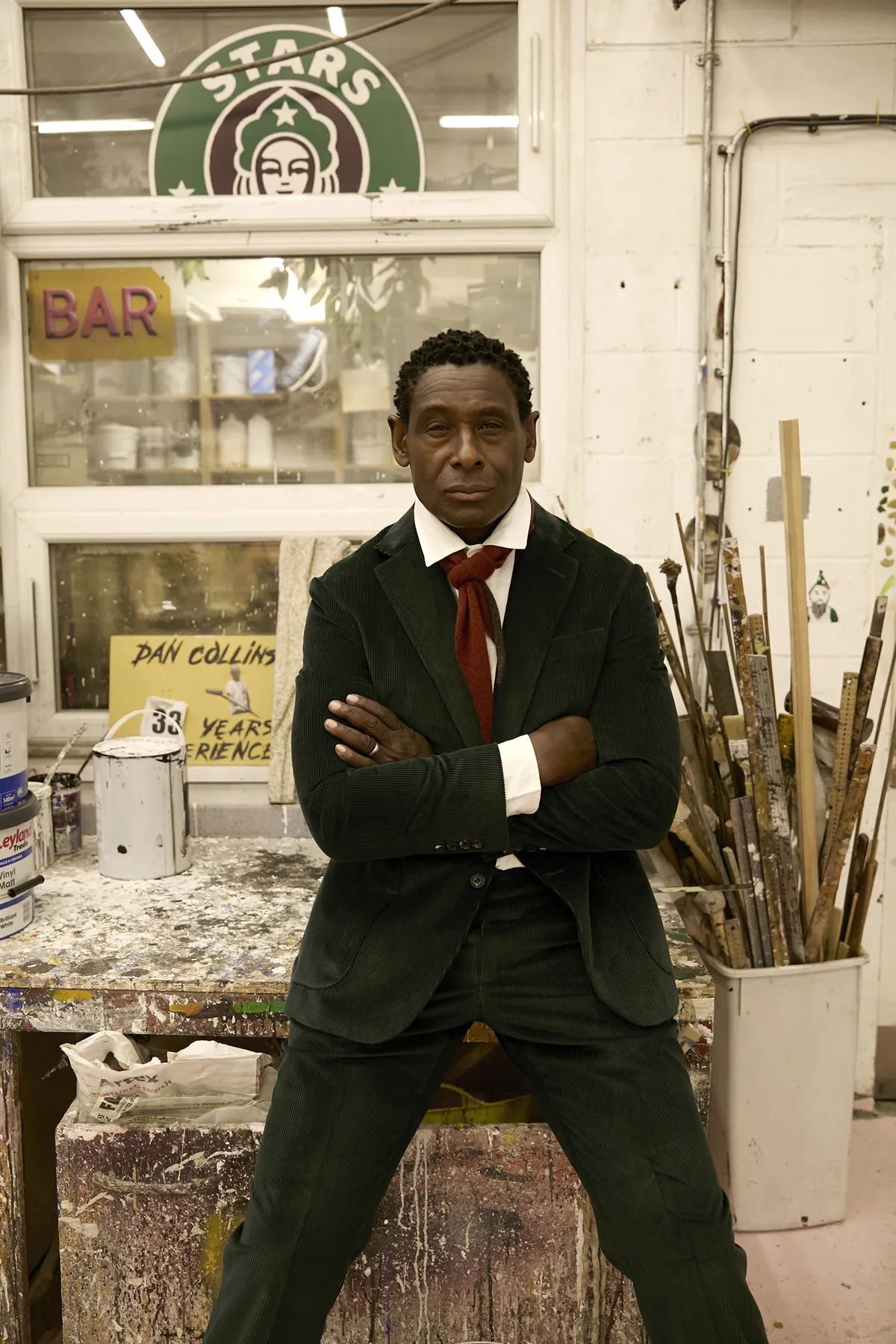
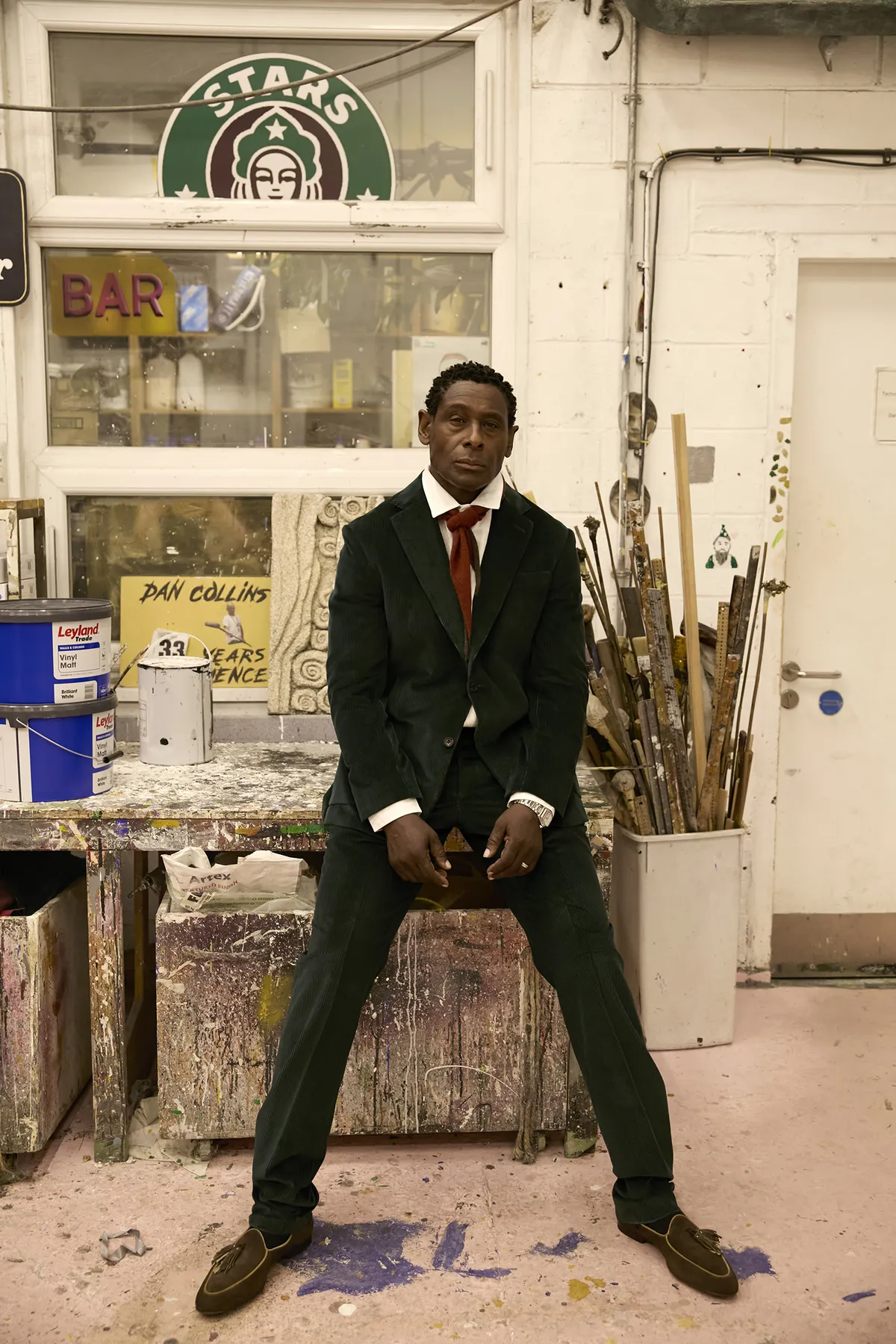
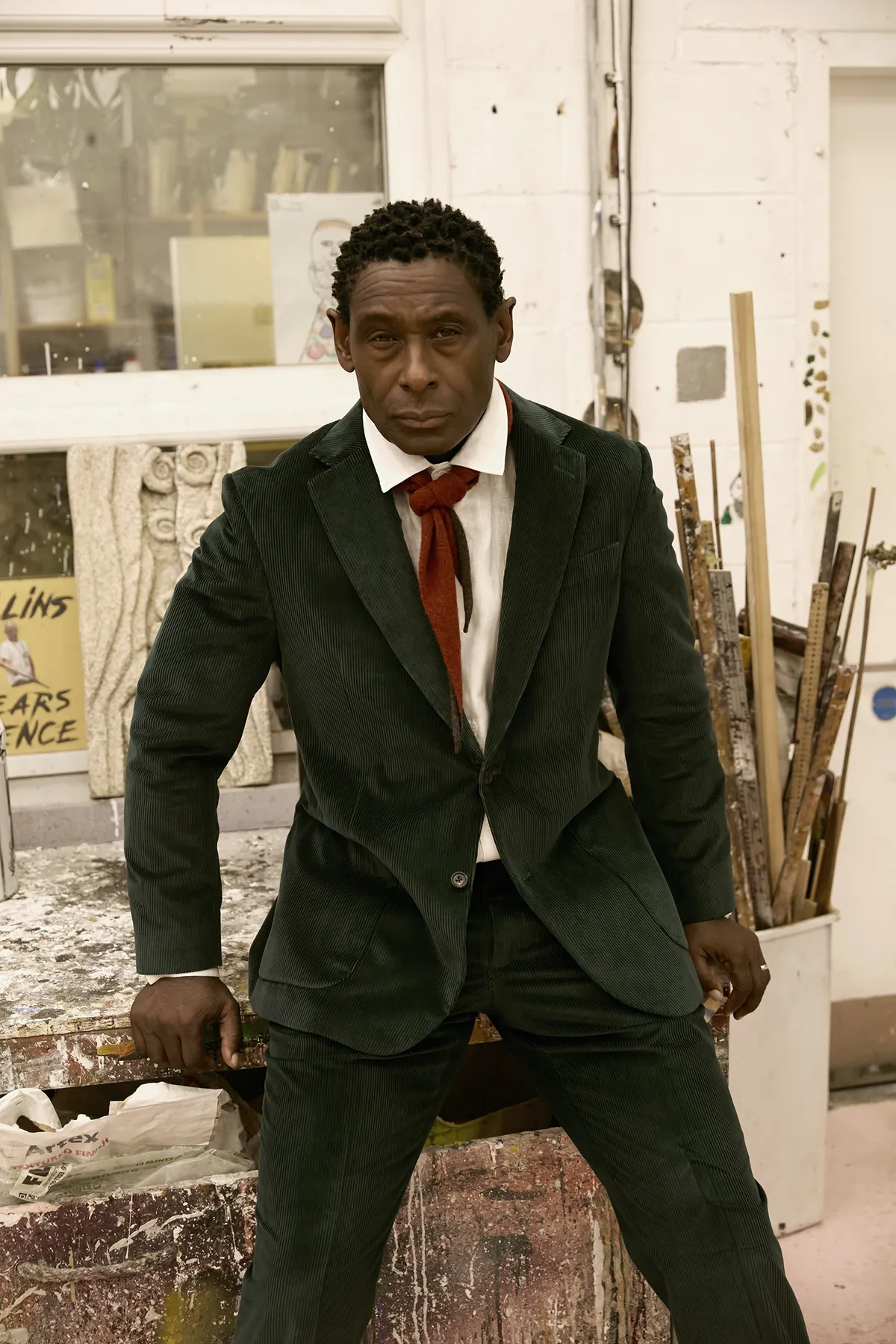
DEREK ROSE shirt, RICHARD JAMES blazer and trousers, MANOLO BLAHNIK shoes, MARGARET HOWELL scarf, CARTIER watch.
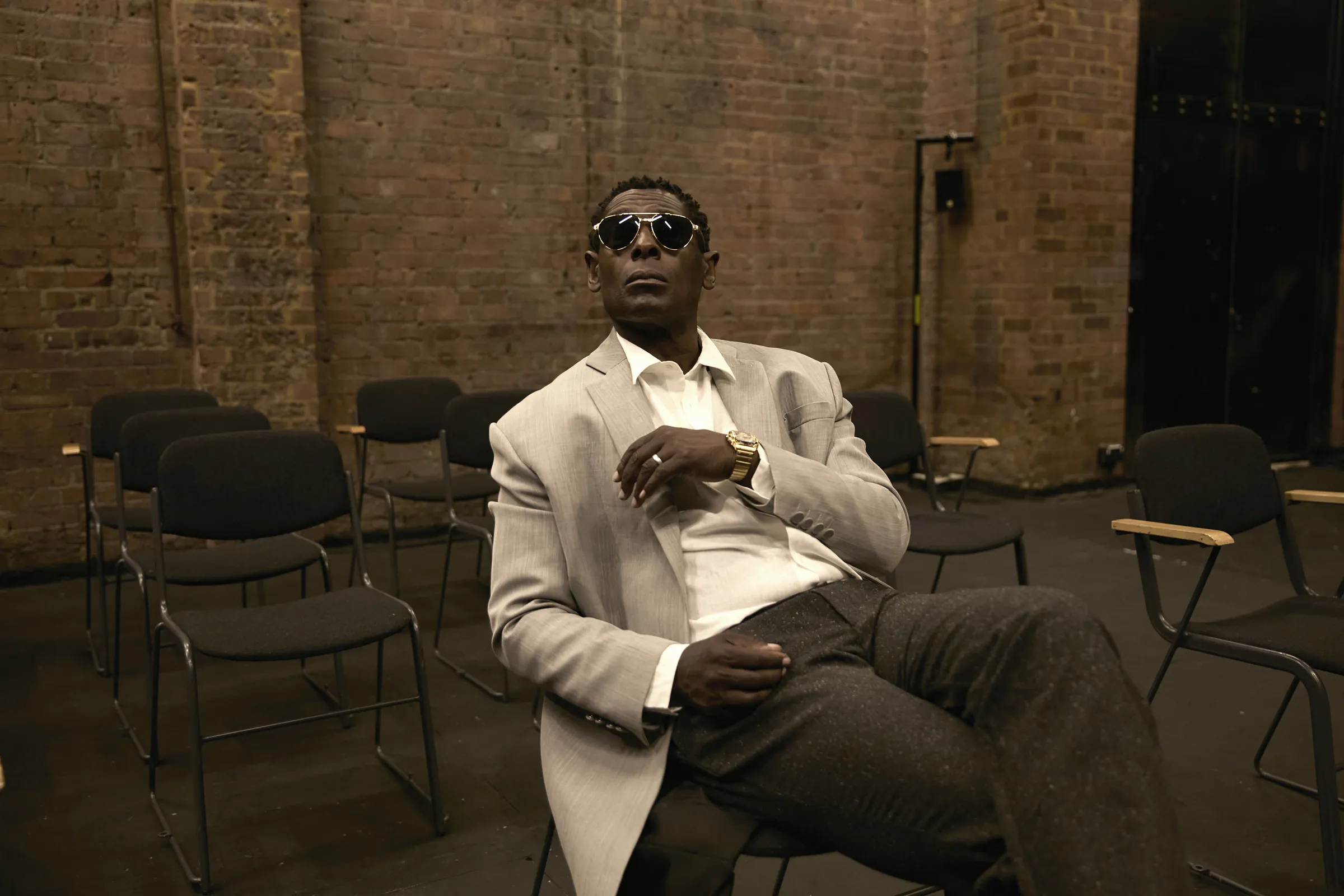
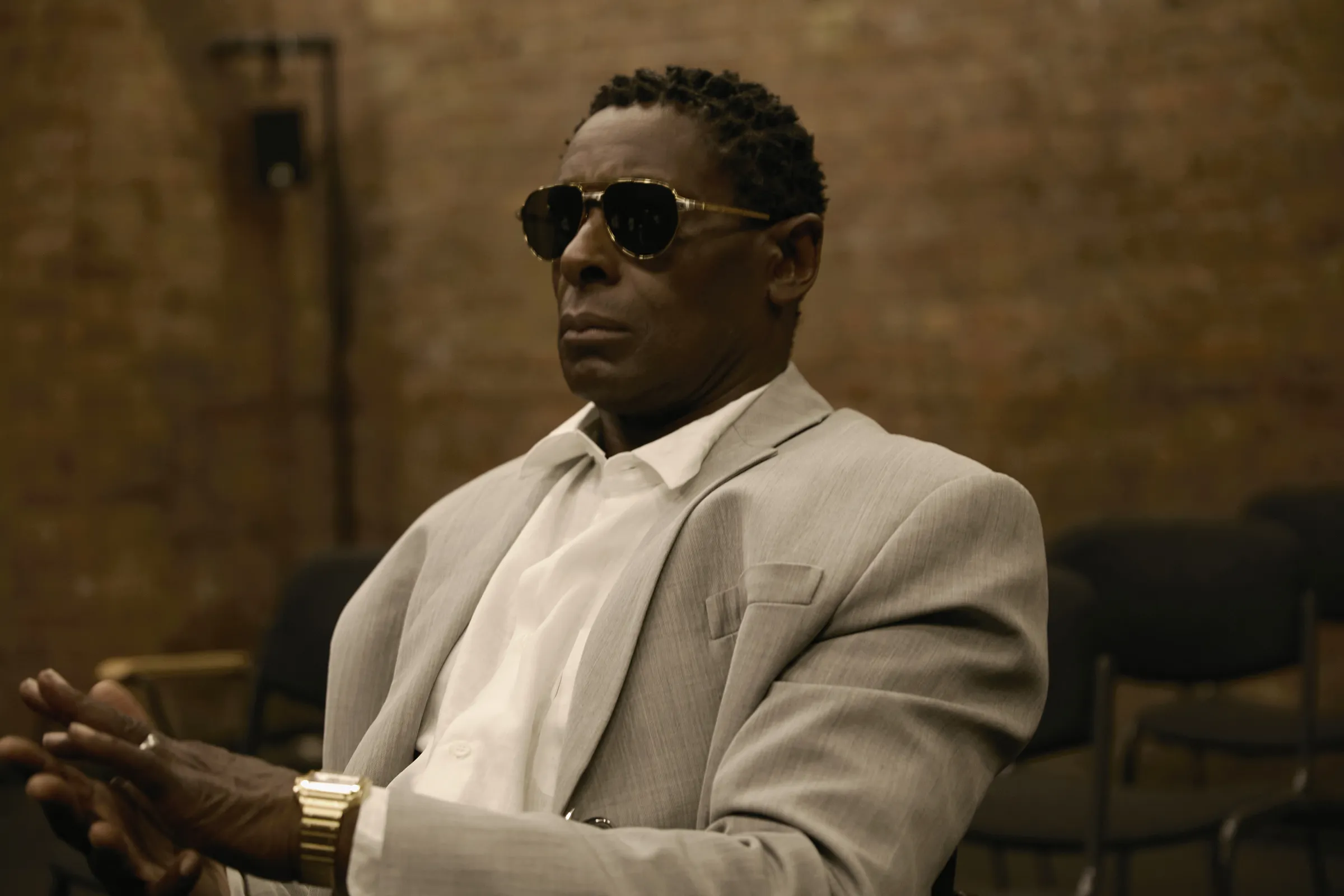
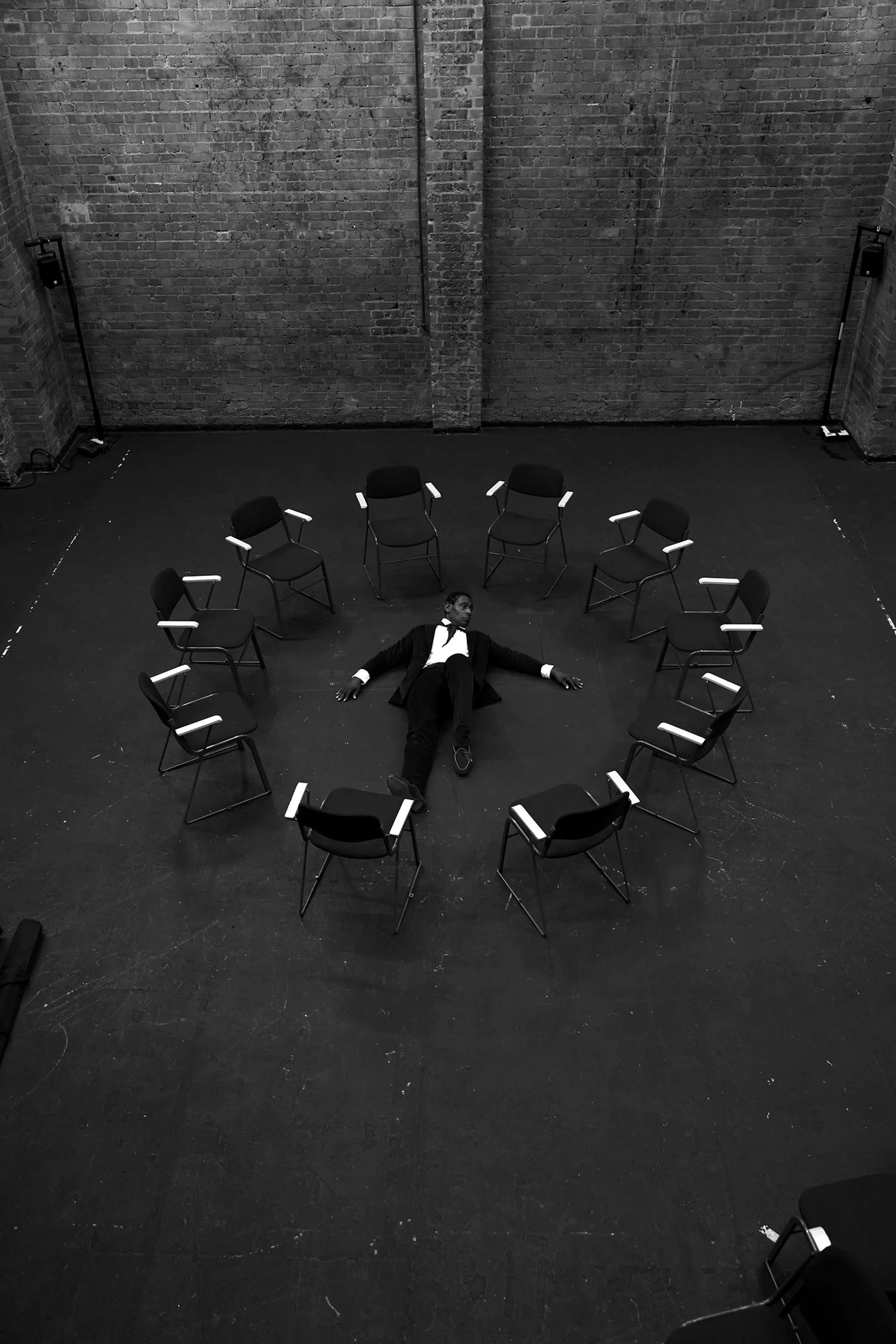
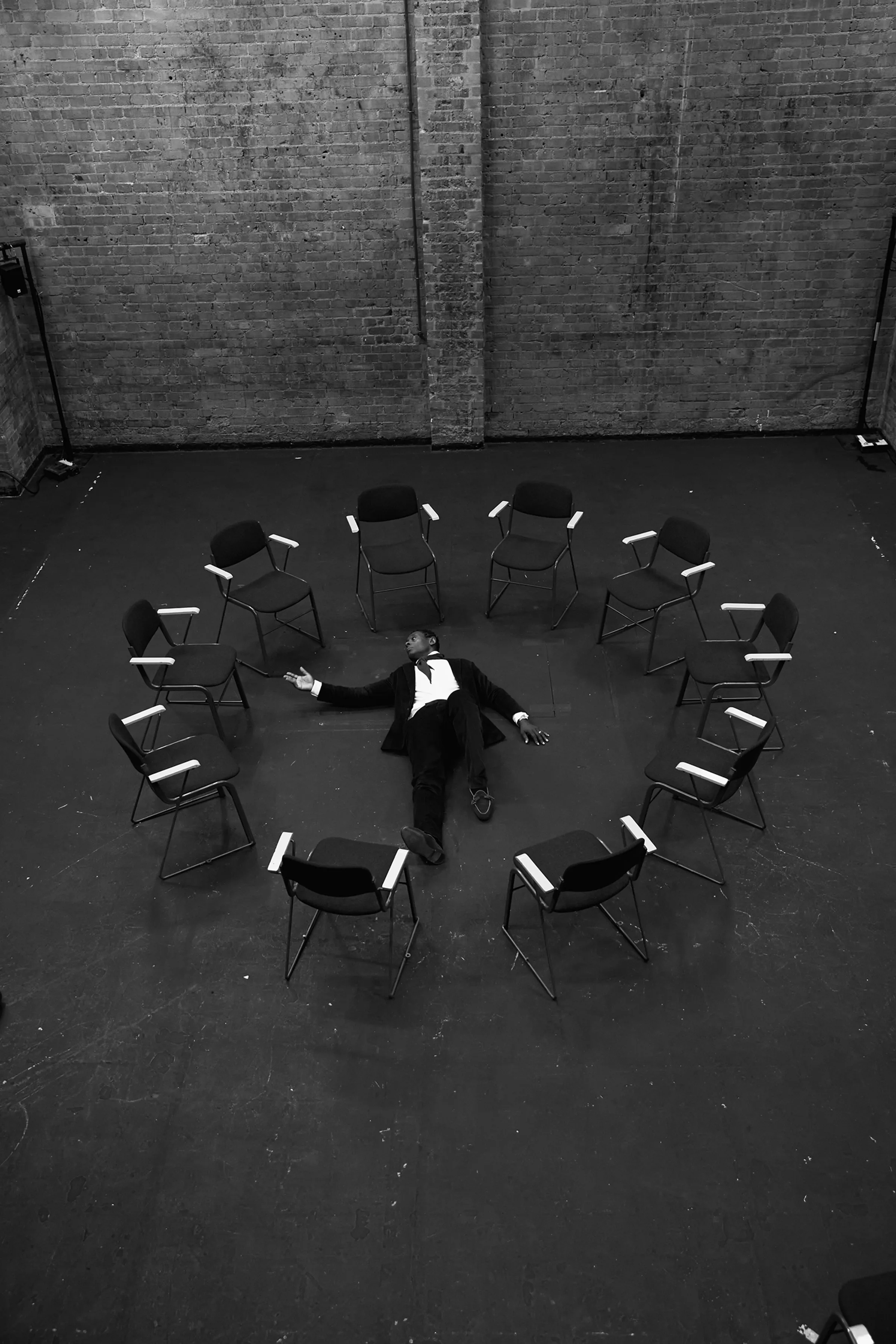
DEREK ROSE shirt, SUNSPEL trousers, DAVID KOMA jacket, CHURCH’S shoes, CARTIER watch and sunglasses.
GR: When it’s all happening right there live on stage, does it ever feel like an out-of-body experience, or do you have to stay present the whole time?
DH: You have to stay very, very present. Otherwise you lose the lines. If you get ahead of yourself, you’re almost chasing it.
It was a very entertaining version. Audiences enjoyed it, which was odd. There was a lot of laughter, a lot of whoops and oohs and ahs.
There’s a great device in the play: Lago says, “I’m going to do X. Watch me.” Then they watch him do it, and somebody falls for it. Me.
The audience enjoyed that device, which was difficult for me because I’m having the worst moments of my life. To hear that much laughter was odd.
I had to navigate that path through the play while sometimes almost being laughed at. Very difficult.
GR: I heard someone recently commenting about how a theatre audience leaves the world at the door, while a screen audience brings theirs with them. As a non-performer, I’m curious about your perspective. How different does acting feel in front of an audience compared with on camera?
DH: In theatre, it’s about opening yourself up to an entire auditorium. Playing the house. Feeling them.
Television is very different, particularly a close-up. You’re internalising a lot of your emotions and thoughts. The camera picks up everything. Great screen actors know they can do very little and get a lot across.
On stage you’re opening yourself up much wider. On screen it’s much more concentrated. Your primary relationship is with your fellow actor and the camera.
I love both. Playing to a big house is a real challenge and a privilege.
GR: Your Brownstone shoot looks spectacular, by the way.
DH: Oh, have you seen the pictures?
GR: A few sneak peeks. And I did a little online stalking. You seem to love a good suit.
DH: Yes, I do like wearing suits.
Because of Homeland, I’ve become this authoritative, straight-talking, no-nonsense, sort of mean guy. It’s so far from what I’m like. It’s great to loosen that up.
GR: How would you describe your own style?
DH: I was at Goodwood Revival recently. The forties and fifties. The flat caps, I’ve got several at home, and they fitted perfectly in that era. I guess that’s my era.
Smart casual. Dressing up. I like dressing up.
Dressing down is fine. I can do it. But there’s nothing like putting on a pair of slacks and a tie. I enjoy looking a little bit classy.
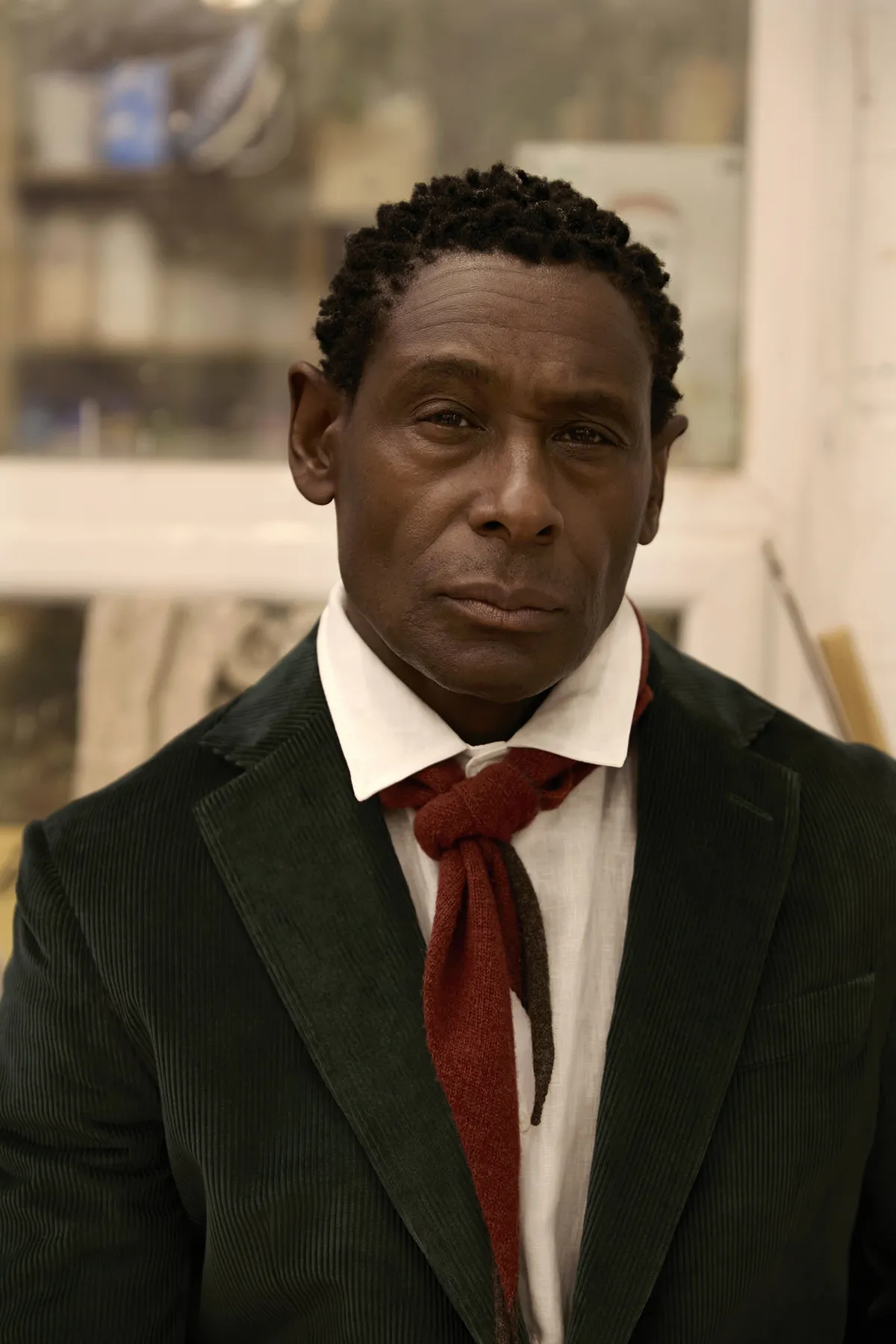
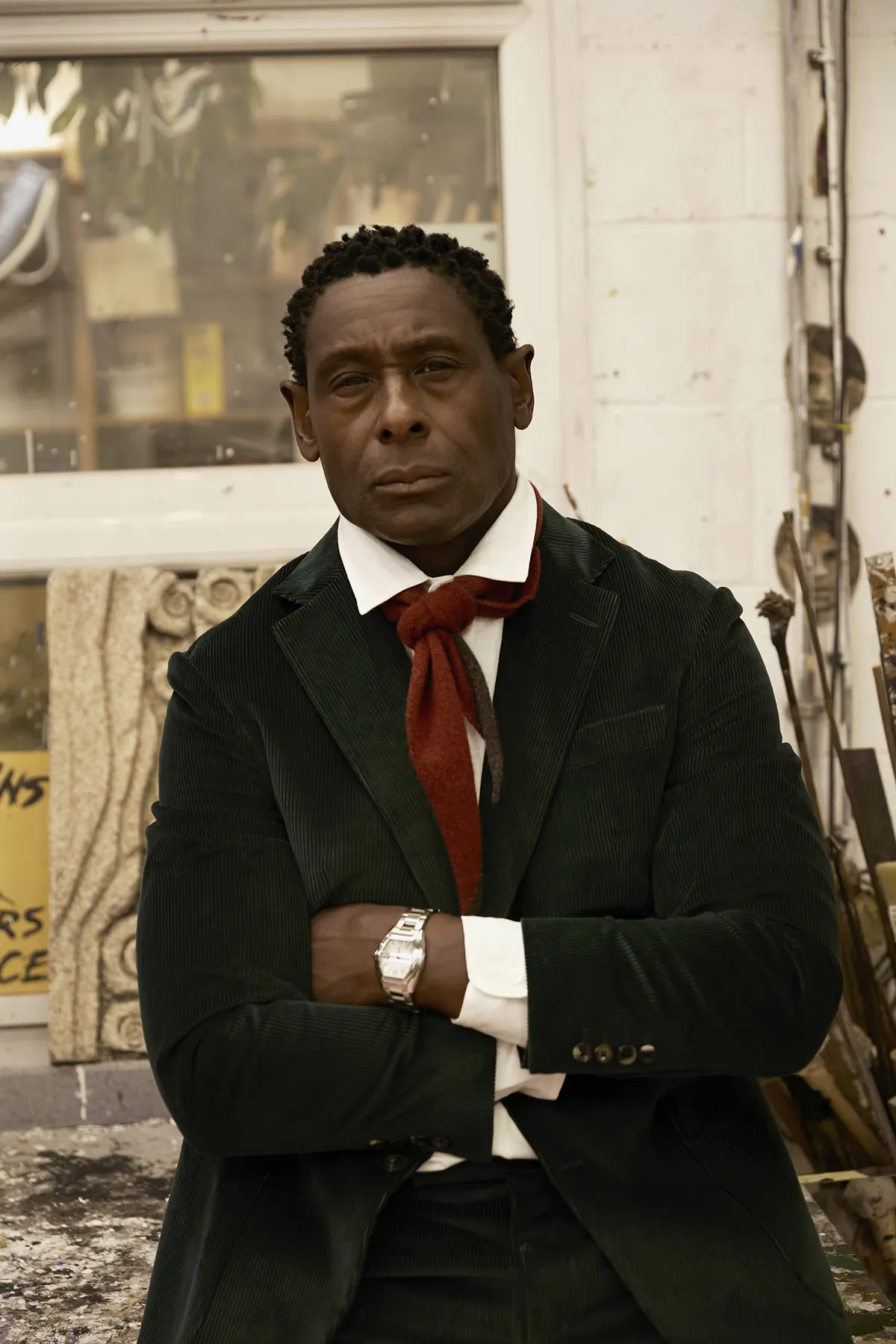
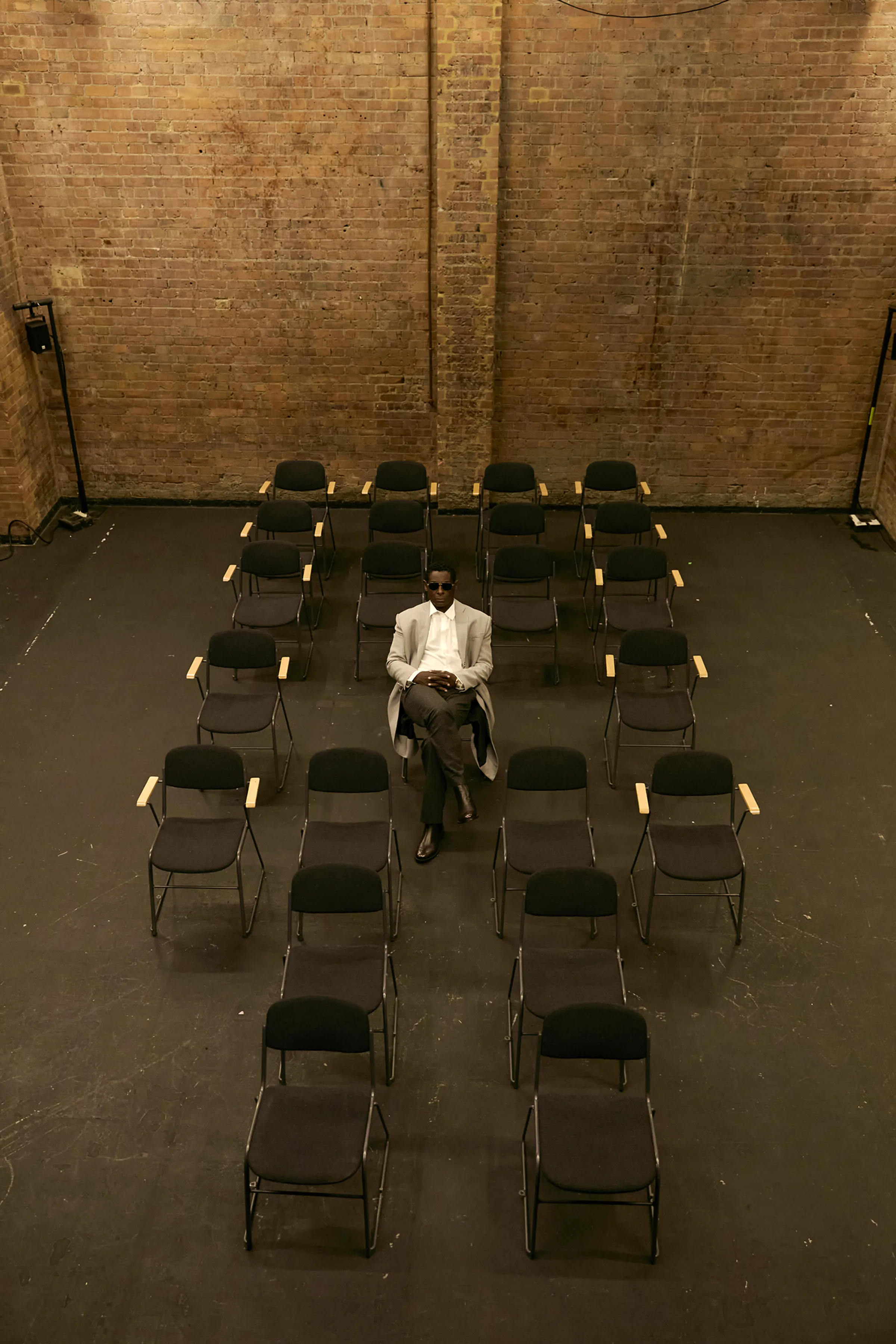
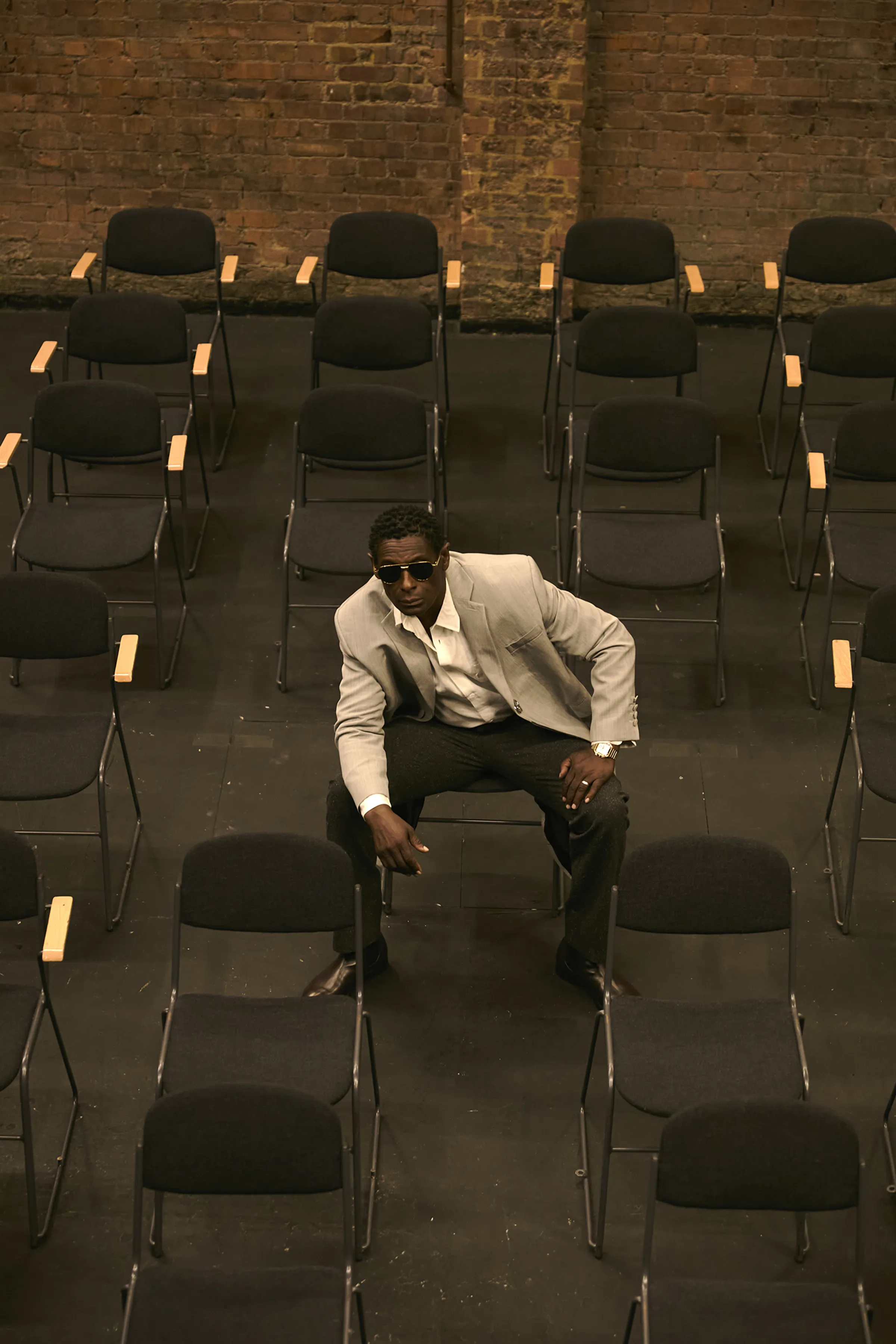
DEREK ROSE shirt, SUNSPEL trousers, DAVID KOMA jacket, CHURCH’S shoes, CARTIER watch and sunglasses.

GR: Taking it back to the beginning, who showed you that a different kind of life was possible?
DH: My English teacher. He was the guy who suggested I should be an actor.
I had no idea how that would even happen. I was five weeks away from leaving school, and he called me in one day.
“What are you going to do when you leave?”
“I don’t know, sir.”
“We’ve been talking in the staff room, and we think you should be an actor.”
I’d done school plays, and I was always a mischievous lad, messing around, chatting and entertaining people around me. They saw something I didn’t even see.
Within three weeks, I was at the National Youth Theatre. They asked me back for a second year. In that second year, they said I should go to drama school. I got into RADA.
If it wasn’t for him suggesting it, I certainly wouldn’t have tried.
GR: And now you’re President of RADA.
DH: To now be President is a real honour. I get to play a small role in the creative journey of other young actors.
When I was at RADA, we never saw the President. They stayed aloof. Highfalutin. I’m much more present in the building, talking to students, engaging with them. They have an email address they can reach me on.
I try to be as real, honest and straightforward as I can about the industry.
The acting bit is the easy bit. It’s the non-acting that’s tough. You’ve really got to knuckle down, get through, watch your thoughts and survive.
The lucky few may shoot straight to fame, but for the majority of us it’s a long climb.
GR: And when you put so much of yourself into the work, how do you keep rejection from becoming personal?
DH: So much of what we do is bound up in ourselves. If we don’t get the job, you immediately say, “I’m not good enough.”
I’m constantly being rejected. I have been constantly rejected in my life for roles. Sometimes it’s really painful, and sometimes I say, “You know what? So what? Move on. Next.”
You’ve really got to steel yourself for the rejection.
GR: Who helps keep it in perspective?
DH: My wife takes no shit from me and doesn’t indulge any of my bullshit, which is really helpful.
I’ve got great friends in the industry I can reach out to, talk to and unwind with. They keep me level-headed and often remind me how lucky we are.
It’s good to have people you can rely on.
GR: One quick question before we run out of time. What’s something you’d still love to do that might surprise people who know you?
DH: When I was working in Vancouver, I had an electric skateboard, which was so much fun.
There’s a park called Stanley Park with this beautiful bike path around it. On my days off, I’d go around, seeing the beautiful sights. It was so free.
I wish I still had something like that. I could just dash out, jump on my skateboard and go for a ride.
I smile. An electric skateboard was not the answer I expected.
GR: You might just have to resurrect that skateboard.
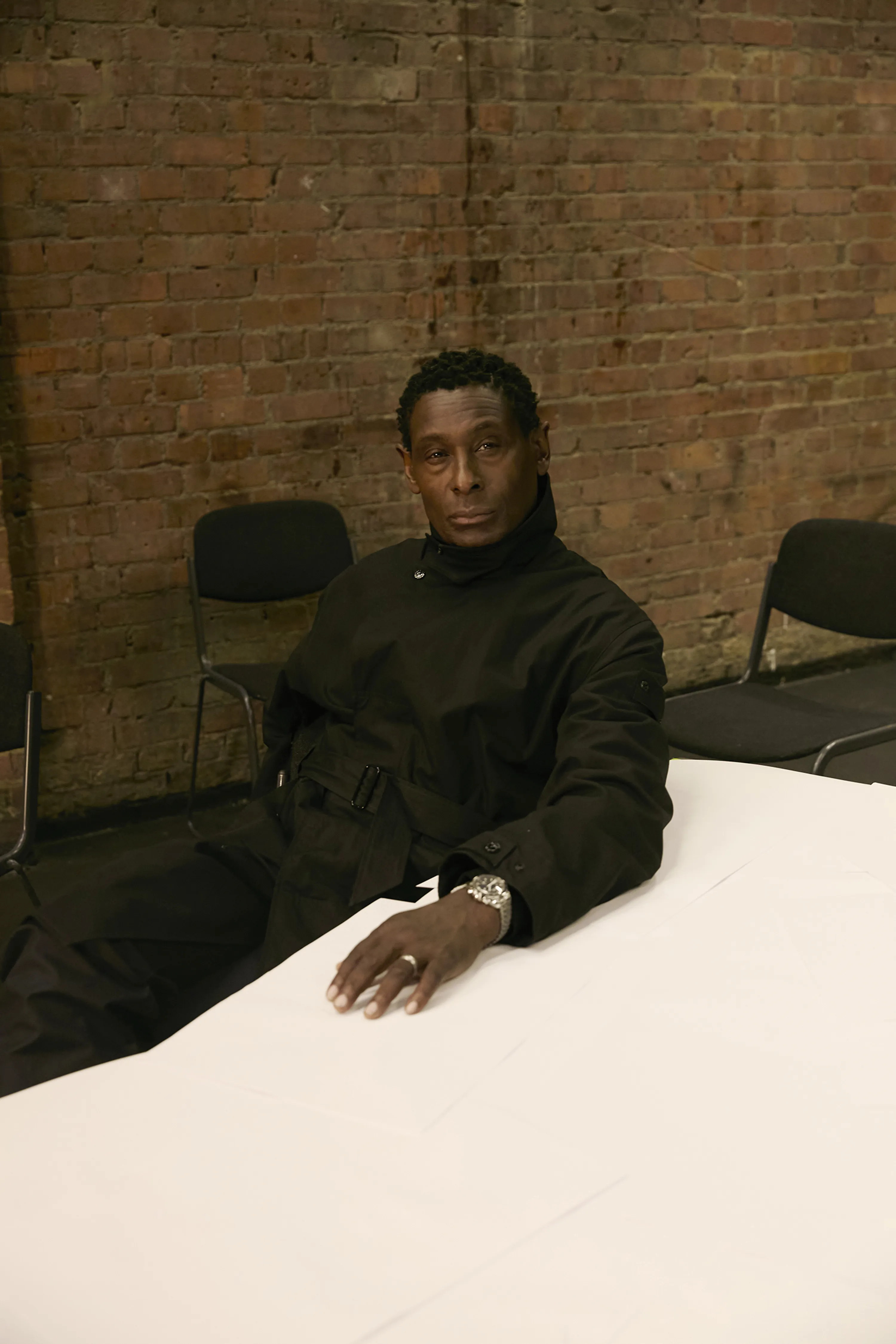

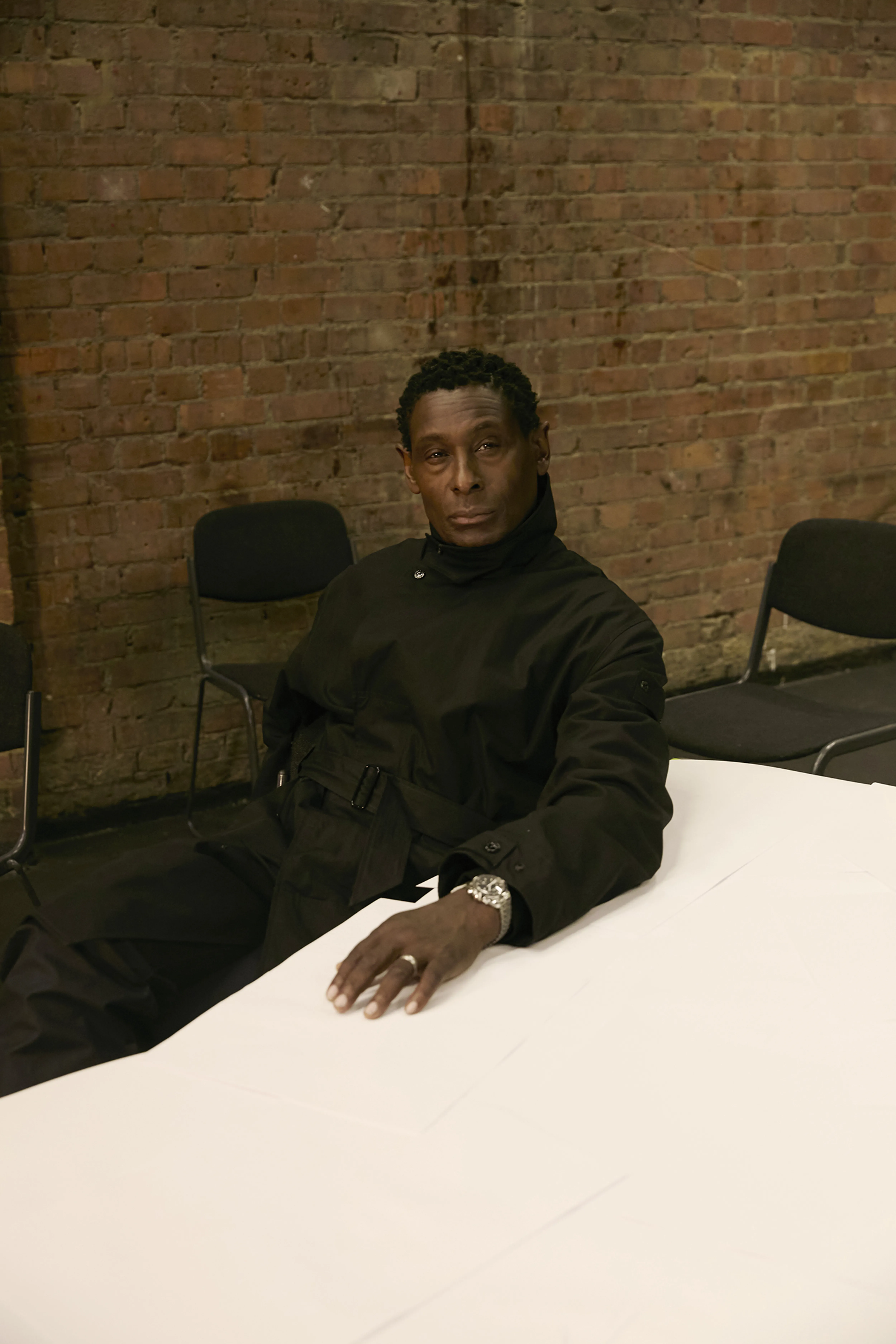
LEE JEANS jumper, STONE ISLAND coat and trousers, OMEGA watch.
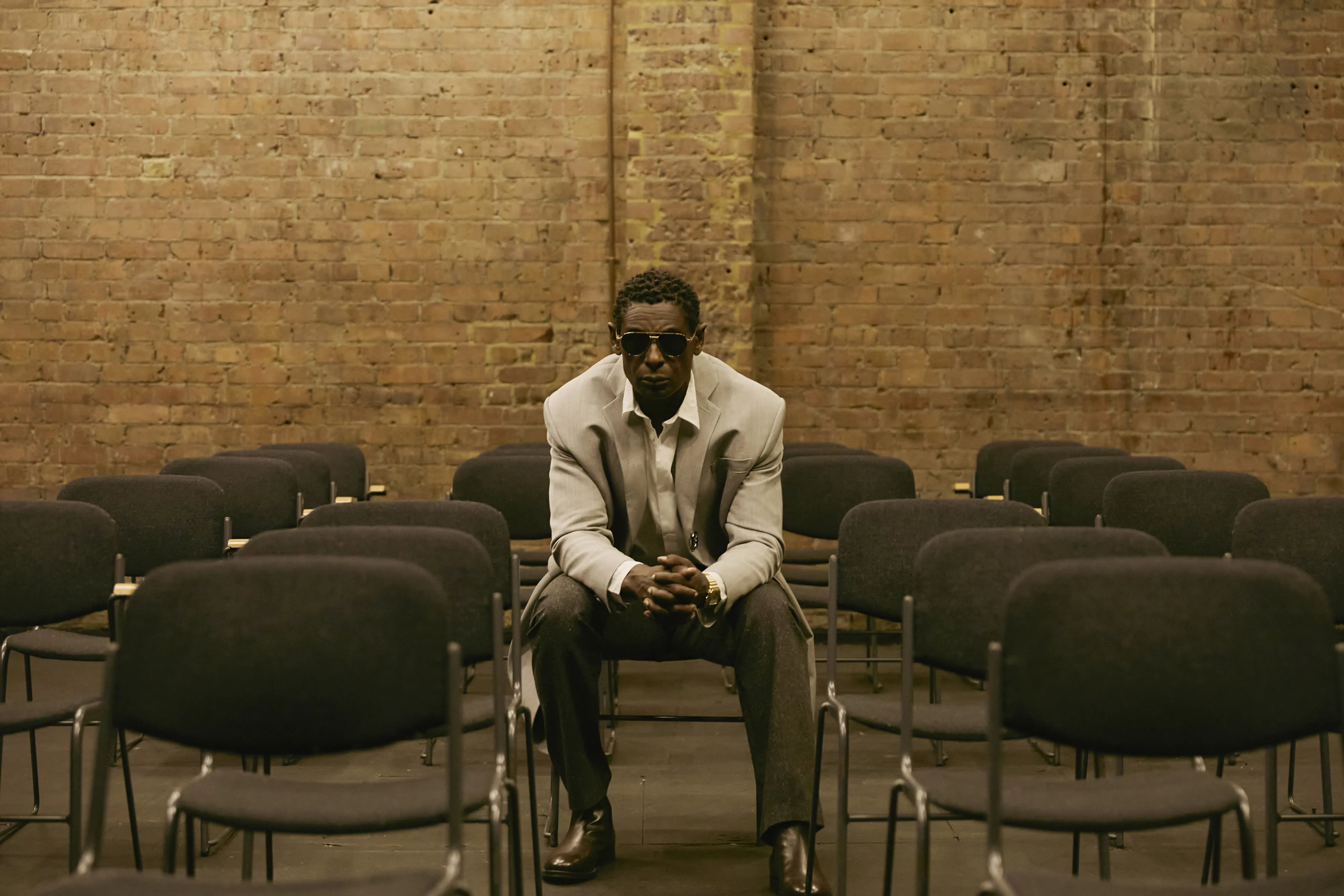
DEREK ROSE shirt, SUNSPEL trousers, DAVID KOMA jacket, CHURCH’S shoes, CARTIER watch and sunglasses.
After we finish up there’s still a whole page of questions. We’ve talked about the work, but there is so much of David’s story we haven’t touched on: his writing about psychosis, recovery and racism, and his work with UNICEF. Each deserves a conversation.
He speaks frankly about what it takes to keep working, and makes himself available to the students just beginning. There’s generosity in that, alongside everything he has achieved.
With Pierre, he takes the lead. After forty years on stage and screen, it feels overdue.
He’s ready for all of it.
The full gamut.